Quick Answer
How long does it take to become a profitable trader? For most people, years and not months, which makes Emmanuel Malyarovich's three-and-a-half-month claim the exception rather than the template. The video is mostly a flex with real substance underneath, but the receipts are self-reported and the starting conditions were unusual: a professional-trader father as a live mentor and a funded account he didn't have to save for. The method he describes is sound. The timeline he sells is not what a normal beginner should plan around.
Ask ten traders how long does it take to become a profitable trader and you'll get ten numbers, most of them optimistic and most of them wrong. Malyarovich says three and a half months. The 2021 market he learned in was the easiest tape in a decade, his mentor sat in the next room, and his broker statements for that first year aren't shown on screen. That doesn't make him a liar. It makes him a bad control group.
Here's the part worth your attention: strip out the timeline, and what's left is a boring, repeatable process built on risk management and three moving averages. The process is the asset. The three months is the thumbnail.
What Does Emmanuel Malyarovich Actually Claim?
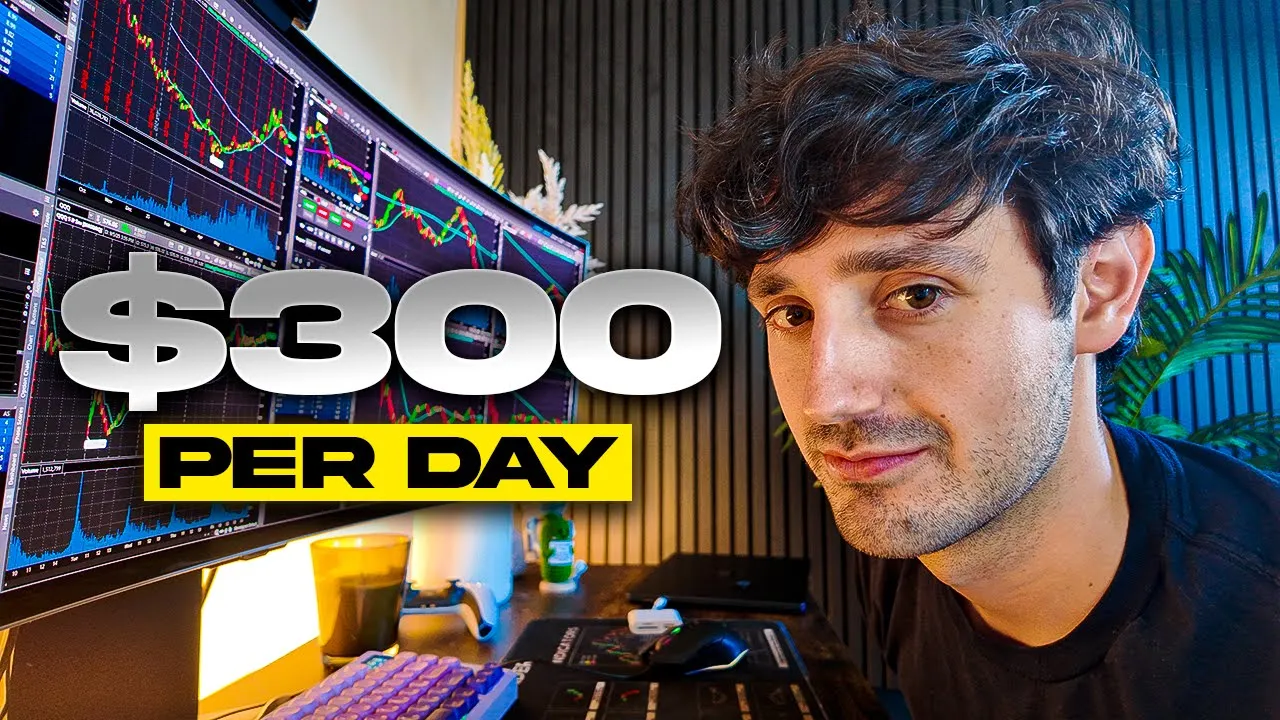
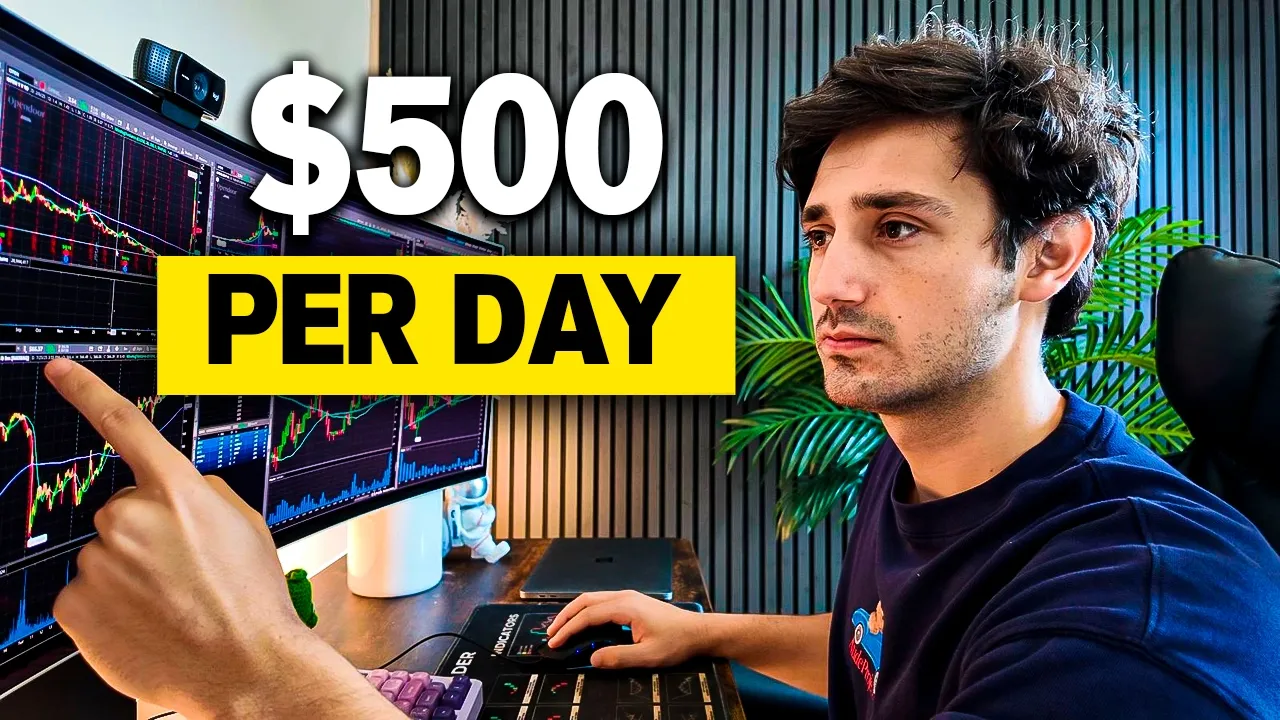
He claims he started making money roughly three and a half months into his trading career, learning in late 2020 and running 2021 as his first full year. The video was uploaded October 5, 2026, and had around 15,100 views and 348 likes as of mid-November 2026. Watch it here: I became a profitable trader in 3 months.
The numbers he puts on screen or states aloud:
| Claim | Detail | Verified? |
|---|---|---|
| First profitable stretch | ~3.5 months in, not 3 | Self-reported |
| First real-money day | "a little bit over $700" | Self-reported |
| January 2021 | ~$9,800, about 17% of the account (1:36) | On-screen figure, unaudited |
| First full year | ~$97,000 profit day trading | Self-reported |
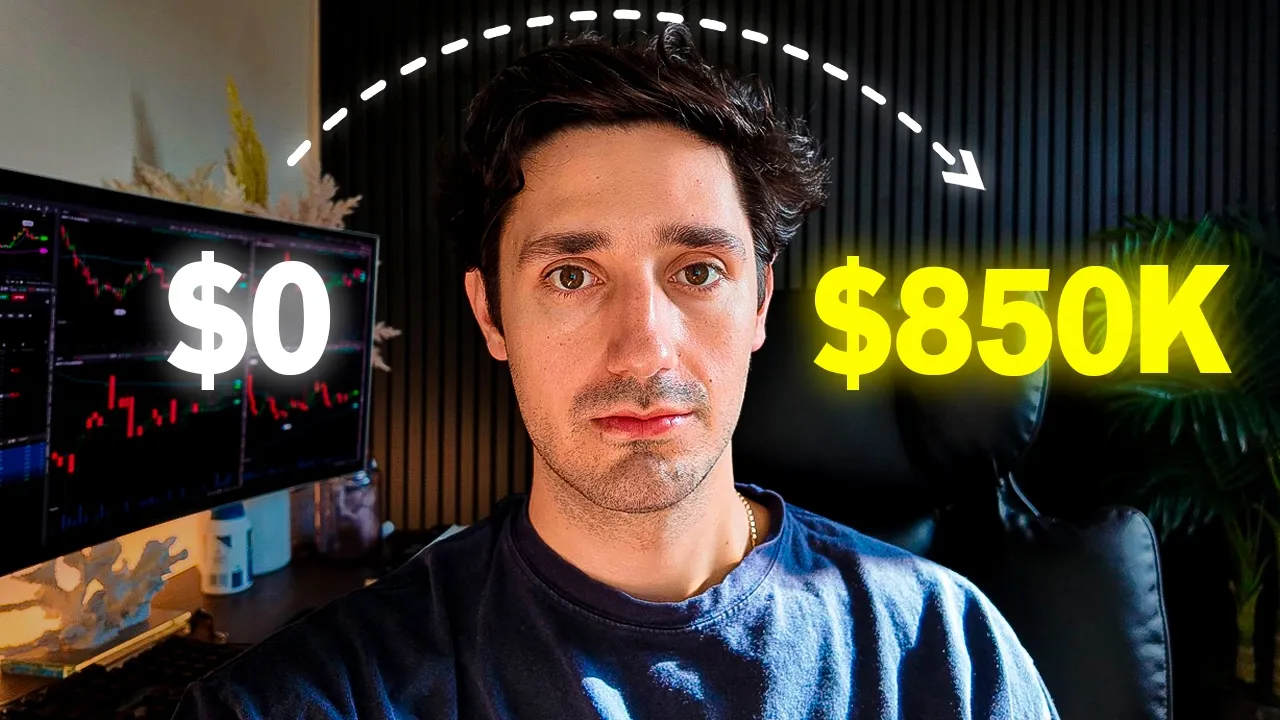
| May 2024 to Oct 2026 | Up over $853,000 on a Charles Schwab account (2:40) | Screen-shared, not audited |
He also says it's not all up and to the right. He describes a rough three-month stretch inside that first year where he was grinding out roughly $1,000 to $3,000 a month. That's the honest part, and it's buried where most viewers won't hear it.
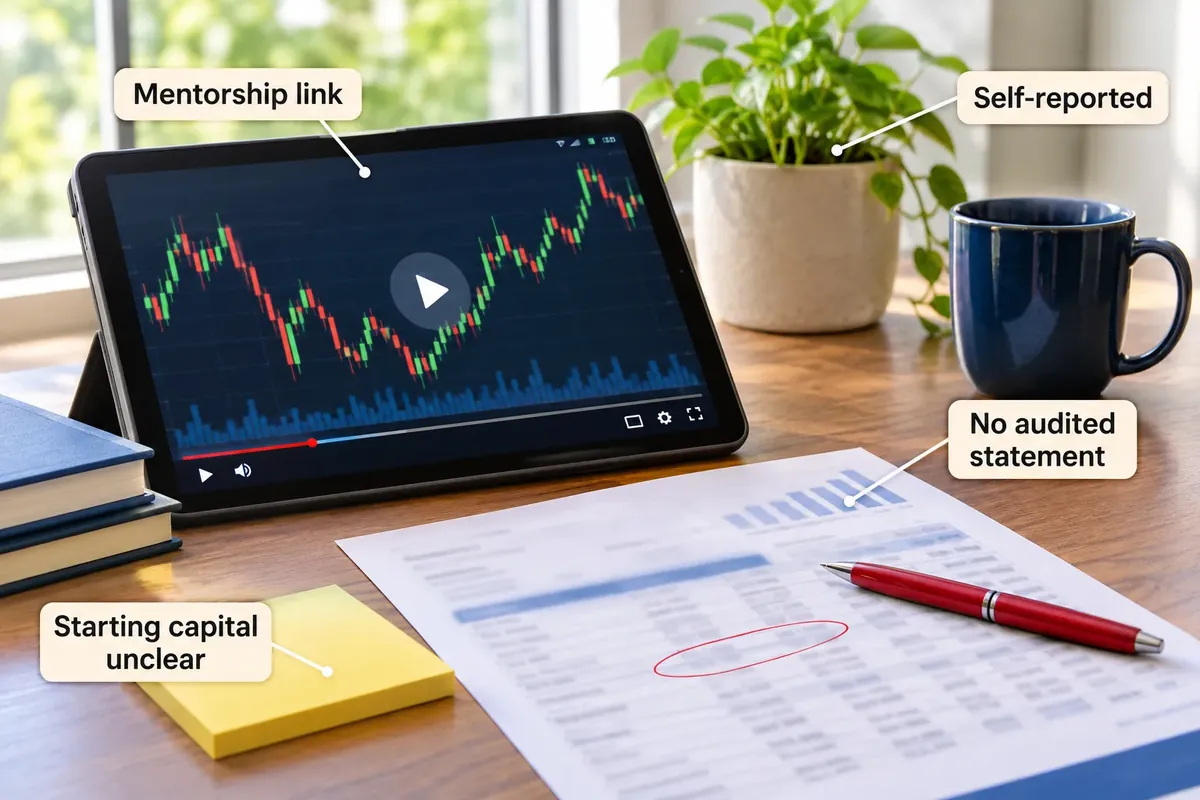
What's missing matters as much as what's shown: starting capital, commissions, taxes, max drawdown, win rate, and whether those figures are realized net profit. The description also links a mentorship application and a free 10-hour course. That's not disqualifying. It's context. Every number in a video with an application form attached should be read with one eyebrow up.
The full 25-minute video is worth watching if you want the method rather than the headline. Chapters cover his trading history, his results, the mentorship, his core principles, mindset, and the losses that reshaped his rules. Watch it at youtube.com/watch?v=bnw1qq4mPNk and judge the receipts yourself.
How Long Does It Take to Become a Profitable Trader?
Realistically, one to three years of deliberate practice before consistent profitability, and most people never get there at all. Anyone telling you how long does it take to become a profitable trader with a single confident number is selling something. The honest answer depends on screen time, feedback quality, capital, and whether you treat losses as data or as insults.
The claim: profitable three and a half months in, starting in 2021
He learned in late 2020 and made roughly $9,800 in January 2021, about 17% of the account. Hold that date in your head. Late 2020 through early 2021 was a momentum trader's dream: stimulus money, retail volume, low float names running 100% in a session. The same setup that printed then would have chopped a trader apart in the flat tape of 2015. Timing isn't skill, but it absolutely compresses the learning curve.
His father's failures and what they taught him
The most useful section of the video isn't about him. His father tried trading in his 20s and lost money. Tried again in his 30s and lost. Again in his 40s and lost. He finally made it work in his 50s after selling a business (4:15). That's three decades of tuition before the breakthrough.
So when the son says three and a half months, the honest framing is that he inherited thirty years of someone else's mistakes. Most people asking how long does it take to become a profitable trader don't have that shortcut sitting at the kitchen table.
Starting during COVID with the pattern day trader minimum
College closed, everyone went home, and he watched his dad post $3,000 and $5,000 days (5:20). His father set him up on an account holding somewhere around $30,000 to $40,000, which cleared the old pattern day trader rule's $25,000 minimum equity requirement. He risked $10 to $20 per trade to start (6:55).
That constraint has changed. FINRA's Regulatory Notice 26-10 took effect June 4, 2026, replacing the old pattern day trader framework and its $25,000 floor with risk-based intraday margin requirements. Firms have until October 20, 2027 to finish the transition. Margin accounts still generally need at least $2,000 in equity, must stay adequately capitalized against intraday exposure, and traders who repeatedly blow through intraday margin deficits can face restrictions lasting up to 90 days.
Access went up. Odds didn't. If you're working with a small account under the new rules, read our breakdown on how to day trade without $25K before you fund anything.
Keep it simple: trending stocks with momentum
His father diagnosed his own thirty-year losing streak as an overload problem: five books, ten strategies, seven indicators, no decision (8:29). The fix was brutal simplification.
The filter they run is narrow on purpose:
- Stocks with a clear trend, up or down, not chop
- A catalyst behind the move (news, earnings, guidance)
- High relative volume, meaning far more shares trading than that stock's normal pace
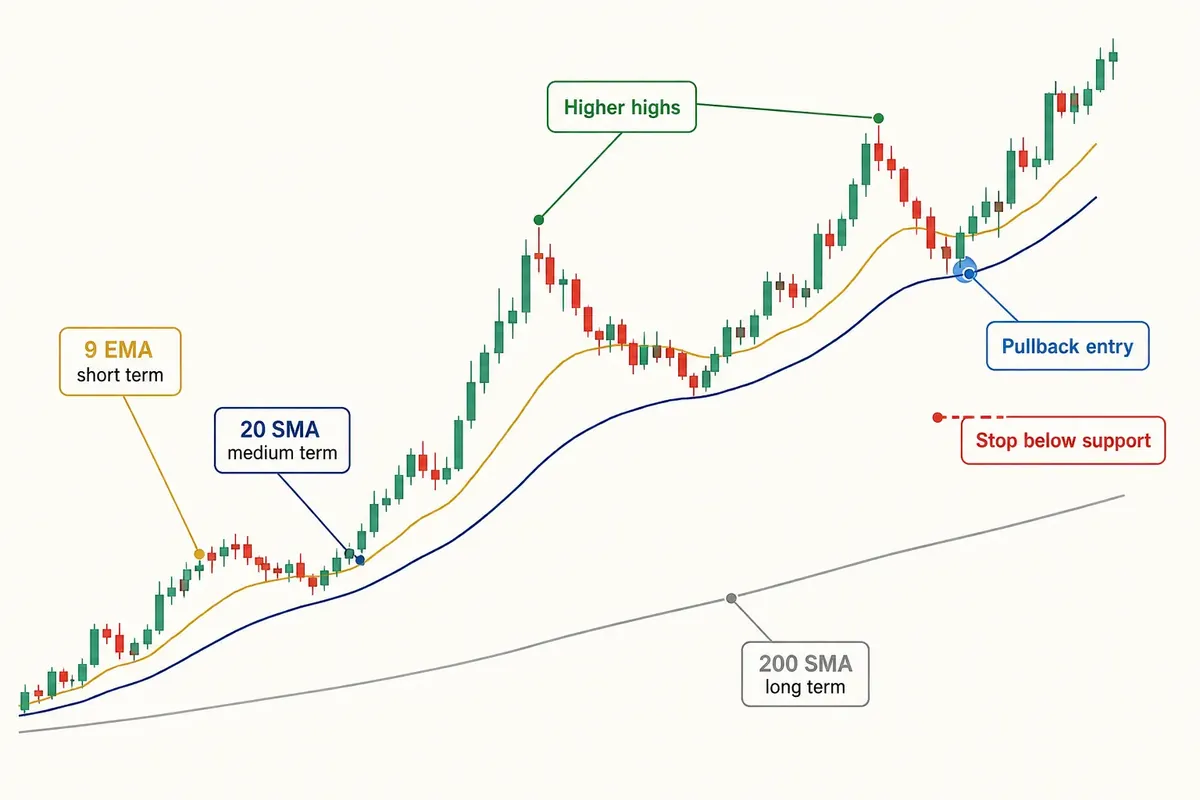
- Confirmed structure: higher highs and higher lows for longs
- Entries that join the existing trend rather than guessing the turn
That's it. No secret indicator. One clean setup, traded repeatedly.
The 9 EMA, the 20 SMA and the 200 SMA
Three moving averages, nothing exotic (11:04). The 9 EMA (exponential moving average, which weights recent prices more heavily) tracks short-term momentum. The 20 SMA (simple moving average) handles the medium term. The 200 SMA marks the long-term trend. Combine those three with raw price action and you've got a framework a beginner can actually execute.
Compare that to a beginner running MACD, RSI, Bollinger Bands, VWAP, Fibonacci levels and two custom scripts at once. More inputs, more conflicting signals, more hesitation. Systems over hacks.
Become a break-even trader first
This is the line worth stealing. Most beginners aim straight at $10,000 months. He says to aim at not losing (12:05). Becoming a break-even trader, where gains and losses roughly cancel after commissions, proves your process survives contact with a live market. Profit comes after survival.
Risk management is the engine behind that (13:11). Limiting losses is the whole ballgame, and the fastest way to wreck a small account is sizing too big on a setup you love. We wrote about the position sizing mistake that wipes out most new traders because it keeps happening.
How long does it take to become a profitable trader for most people?
Now the data. Barber, Lee, Liu and Odean studied essentially complete Taiwan Stock Exchange records from 1992 to 2006. About 13% of day traders were profitable after fees in a typical year. Fewer than 1% were predictably profitable over time. Among heavier day traders, roughly 20% earned positive abnormal returns after fees in a given year, which tells you occasional profit and durable skill are different animals.
The skill gap is real though. The top 500 previously successful traders in that data earned about 61.3 basis points a day before fees and 37.9 after. Bottom-ranked traders ran about negative 11.5 before fees and negative 28.9 after. Fees punished the bad traders roughly twice as hard.
A separate study of Brazilian equity-futures day traders who started between 2013 and 2015 found 97% of those who persisted past 300 trading days lost money. Around 1.1% earned more than minimum wage. Roughly 0.4% out-earned a bank teller.
So how long does it take to become a profitable trader for the median person? For most, the honest answer is never. For the minority who make it, plan on a year or more of structured work.
⭐ Top 5 Features We Love
Five things this approach genuinely gets right, each tied to a moment in the video or to the research.
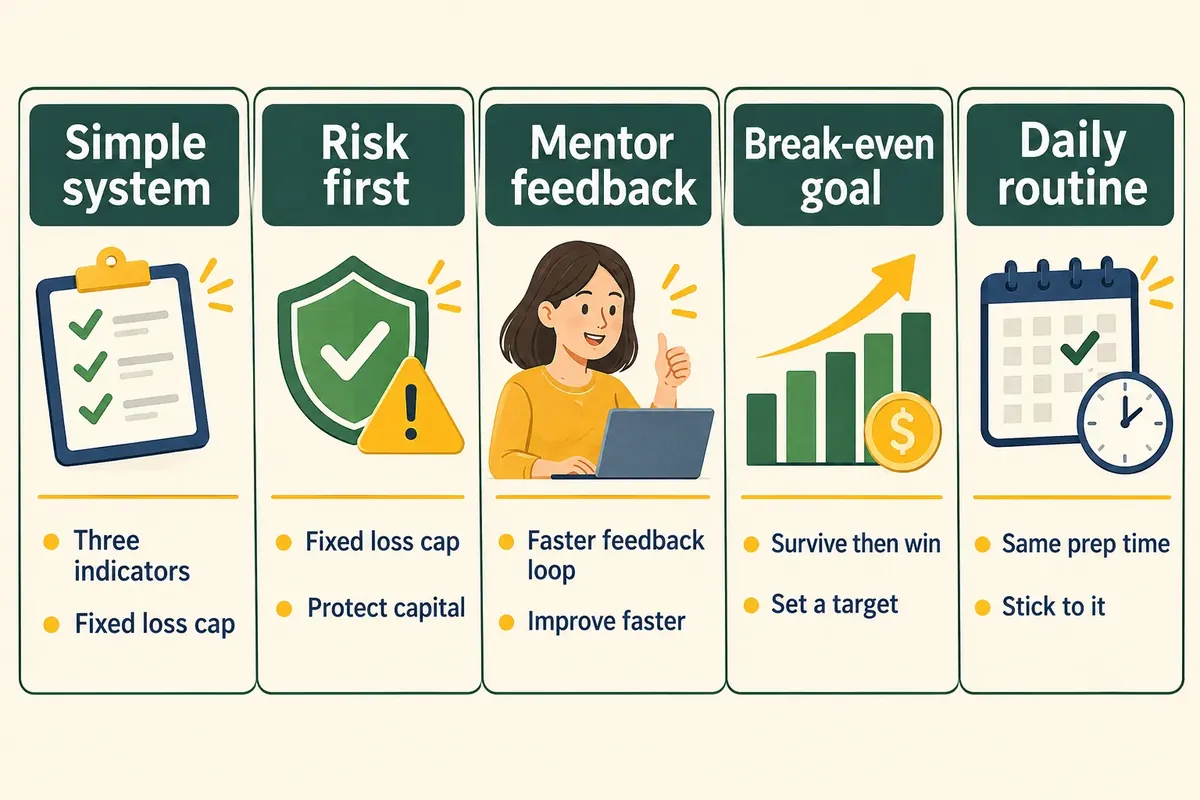
1. Radical simplification. Three moving averages and price action (11:04). His father's diagnosis of his own failure, too many books and too many indicators, is the single most useful minute in the video (8:29). Analysis paralysis kills more small accounts than bad picks do.
2. Break-even as the actual first goal. Aiming at "consistently not losing" before aiming at income (12:05) is the opposite of how most content frames it. Given that roughly 87% of Taiwanese day traders lost money after fees in a typical year, survival-first is defensible advice.
3. Risk management stated as the core, not the garnish. He names limiting losses as the most important piece (13:11). The Taiwan data backs this: fees and costs hit the worst traders more than twice as hard as the best.
4. A real feedback loop. His father reviewed trades daily. That's the hidden variable. Most beginners trade in a vacuum for a year and learn nothing from 400 trades. If you can't get a mentor, build the loop yourself with a journal and a weekly review, and read our verdict on 10 AI trading tools we tested before you start buying software to fill the gap.
5. No comparison, clear goals. At 21:01 he warns against measuring yourself against another trader's daily number. Pair that with writing a specific target ("consistent as a paper trader within three months") instead of a vague wish (20:00). That's a process rule, not a motivational poster.
⚠️ Things to Look Out For
The method is fine. The framing has holes you should see clearly before you copy the plan.
- No audited statements. Screen-shared broker tabs aren't verification. The ~$97,000 first-year figure has no starting capital, no leverage detail, no commissions, no taxes and no drawdown attached.
- The title overstates the timeline. He says three and a half months in the transcript, and separately describes a three-month grind inside that first year making $1,000 to $3,000 a month. The thumbnail doesn't mention that.
- Survivorship bias, loudly. You're hearing from the one person it worked for. The Brazilian futures study found 97% of traders who lasted past 300 days lost money. You don't get videos from them.
- The 2021 tape was a tailwind. Momentum strategies in a stimulus-fueled bull market flatter the strategy and the trader.
- Funded account, free mentor, no rent pressure. He started on roughly $30,000 to $40,000 of his father's capital during a college lockdown. That's a different risk profile than trading $3,000 you need.
- A funnel sits behind the content. Free 10-hour course, bi-weekly live classes, mentorship application (14:16). Legitimate business, but it shapes which number goes in the title.
- Who this is not for: anyone trading rent money, anyone who can't watch the open, anyone who hasn't written risk rules down yet.
Play stupid games, win stupid prizes. Copying a timeline instead of a process is a stupid game.
What Milestones Show You're Getting Closer to Profitable?
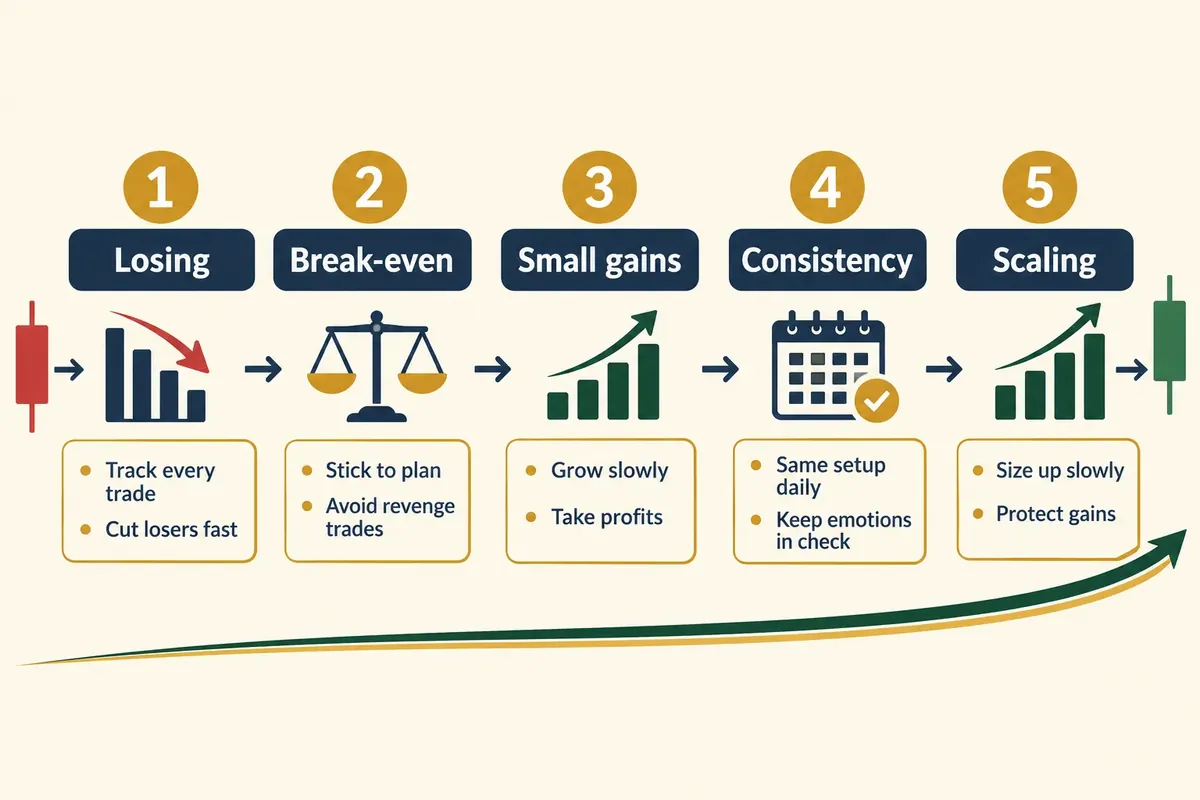
Track stages, not dollars. If you're asking how long does it take to become a profitable trader, the honest answer depends on how fast you clear these milestones, and most people clear them out of order.
- You follow your rules on 9 out of 10 trades. Until this happens, results are noise.
- Your average loss matches your planned stop. No more losers that run past the line.
- You reach break-even over 100 trades. Malyarovich calls this the step everyone skips.
- Your expectancy turns positive over 200 trades. Now you have an edge, even a small one.
- You stay positive through a bad market month. That's when profitable starts to mean something.
He reached profitability in about three and a half months with a professional trader as a live mentor and a funded account. Most people move slower without those advantages. So how long does it take to become a profitable trader? Measure it in milestones cleared, and the timeline gets clearer.
Flex or Cap? Our Verdict
Receipts shown: Partial. Monthly figures and a Schwab total appear on screen, but nothing is audited and the first-year numbers lack context.
What can be verified: The method, not the money. The 9 EMA / 20 SMA / 200 SMA framework, the momentum and relative volume filter, and the break-even-first sequencing are all standard, checkable concepts. The dollar figures aren't independently confirmable.
Risk disclosed: Mostly yes. He names the 90%+ failure rate up front, admits a three-month rough stretch, and makes risk management central. He doesn't adequately flag the 2021 market conditions or the funded-account advantage.
Can a regular retail trader repeat it: The system, yes. The timeline, almost certainly not. How long does it take to become a profitable trader without a veteran mentor reviewing your fills daily and a bull-market tape? Longer. Much longer.
Verdict: Flex, with receipts missing. The honest content is real and the method is teachable. The three-month headline is a thumbnail decision, not a benchmark. Treat the process as the product and ignore the clock.
What You Should Know Before You Try It
Six things to handle before you put real money on a momentum setup.
- Paper trade the exact setup for 30 sessions. Same hours, same watchlist, same rules. If you can't follow the plan with fake money, real money won't fix your discipline. Check how fast you actually react with our trader reaction time test.
- Write your position sizing rule before your first trade. Fixed dollar risk per trade, under 1% of the account, with a stop loss placed before entry. He started at $10 to $20 per trade on a $30,000+ account. That's the model.
- Count your costs honestly. Commissions, data feeds, platform fees and spreads. The Taiwan research showed costs flipped marginal traders into losers. A $20 monthly platform fee on a $2,000 account is a 12% annual hurdle before you place a trade.
- Know the current rules. The $25,000 pattern day trader minimum was replaced by risk-based intraday margin requirements effective June 4, 2026, with a transition deadline of October 20, 2027. Margin accounts still need $2,000 minimum, and repeated intraday margin deficits can trigger restrictions up to 90 days. Verify specifics with FINRA and your broker, not with a video.
- Plan for taxes. Short-term trading gains are taxed as ordinary income in the US. A "$9,800 month" is not $9,800 in your pocket.
- Pick two tools, not ten. A charting platform and one scanner. If you're comparing scanners, start with TrendSpider vs Trade Ideas and stop there.
How long does it take to become a profitable trader when you do all six? Still probably a year or more. But you'll be measuring progress instead of guessing at it.
Keep reading on FullStack Alpha: our AI stock tool reviews, how traders automate rules like these, day trading tools compared side by side, and more Flex or Cap breakdowns.
Frequently Asked Questions
Can I make $1000 per day from trading?
Mathematically yes, statistically unlikely. $1,000 a day on a 1% daily return requires roughly $100,000 of consistently well-deployed capital. The Brazilian day-trading study found only about 1.1% of persistent traders earned more than minimum wage. Treat $1,000 days as an outcome of a mature process, never as a target.
How long will it take to become a successful trader?
Plan on one to three years of structured practice, and accept that most people never reach consistent profitability. Barber, Lee, Liu and Odean found fewer than 1% of Taiwanese day traders were predictably profitable over time. Faster timelines usually involve a mentor, a funded account, or a very favorable market.
How did one trader make $2.4 million in 28 minutes?
Headlines like that almost always describe a single outsized options or leveraged position on a surprise catalyst, not a repeatable strategy. The same bet sizing produces catastrophic losses when the catalyst goes the other way, and those trades don't get posted. One trade is not an edge.
Is it hard to become a profitable trader?
Yes, and the difficulty is mostly behavioral rather than analytical. The mechanics of a moving average crossover take an afternoon to learn. Cutting losers fast, sizing correctly, and not revenge trading after a red day take years. The research consistently shows the majority lose money after fees.
Is it hard to make $100 a day trading?
Harder than it sounds with a small account. $100 a day on a $5,000 account is a 2% daily return, which compounds to an unrealistic annual figure. Making $100 on one good day is common; making it on 200 of 250 trading days is what separates the 1%.
Is it true that 90% of traders lose money?
Close enough to be useful. Academic data from Taiwan showed roughly 87% of day traders lost money after fees in a typical year, and a Brazilian futures study found 97% of traders who persisted past 300 days lost money. The exact figure varies by market and instrument, but the direction never does.
One trader's timeline, examined four ways. There are 200+ AI stock tools catalogued in the FullStack Alpha directory, filterable by category, price and what they actually do.
Browse the directory → aistockpickerapps.com
Your market edge starts with the right tool. Stay alpha.
How long does it take to become a profitable trader without a mentor?
Usually longer than the three months in this video. Many traders take one to several years to reach consistent profitability, and many never do. Logging trades and reviewing them weekly shortens how long it takes to become a profitable trader more than any indicator.
How long does it take to become a profitable trader part time?
Longer than full time, mostly because you get fewer hours of screen practice and review. Many part-time traders choose swing trading for that reason. Logging and reviewing every trade matters more than total hours.