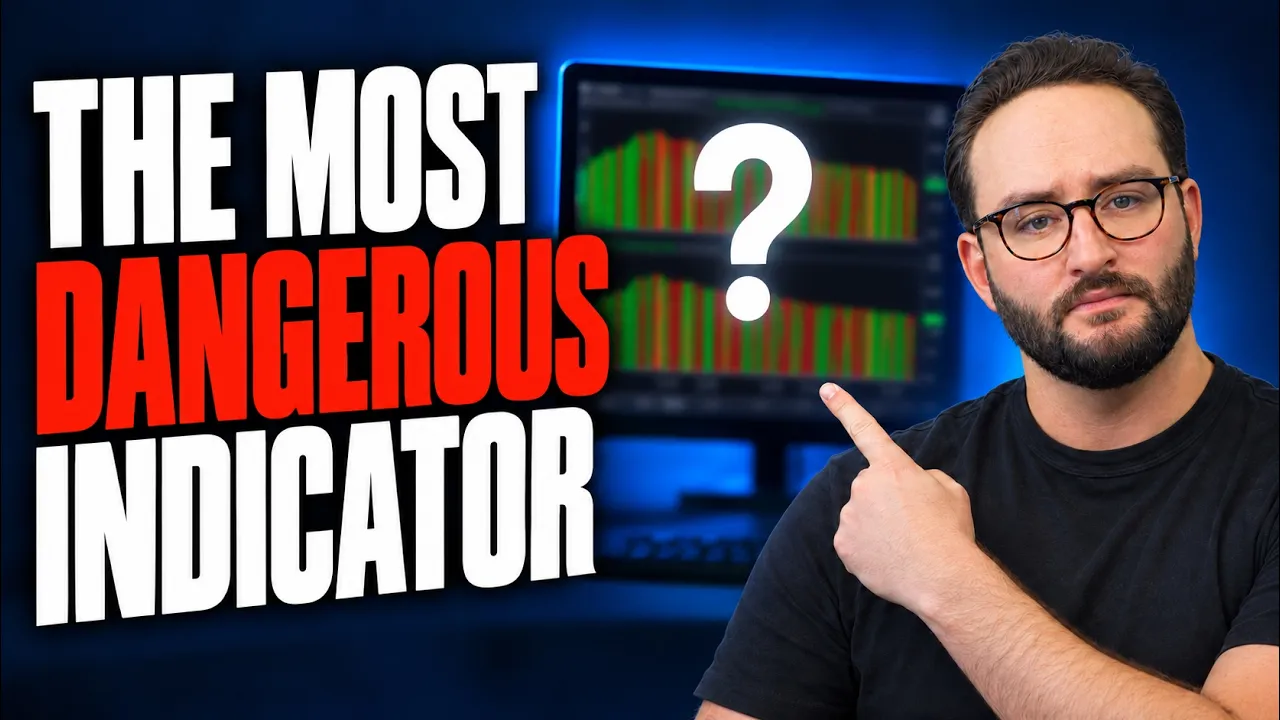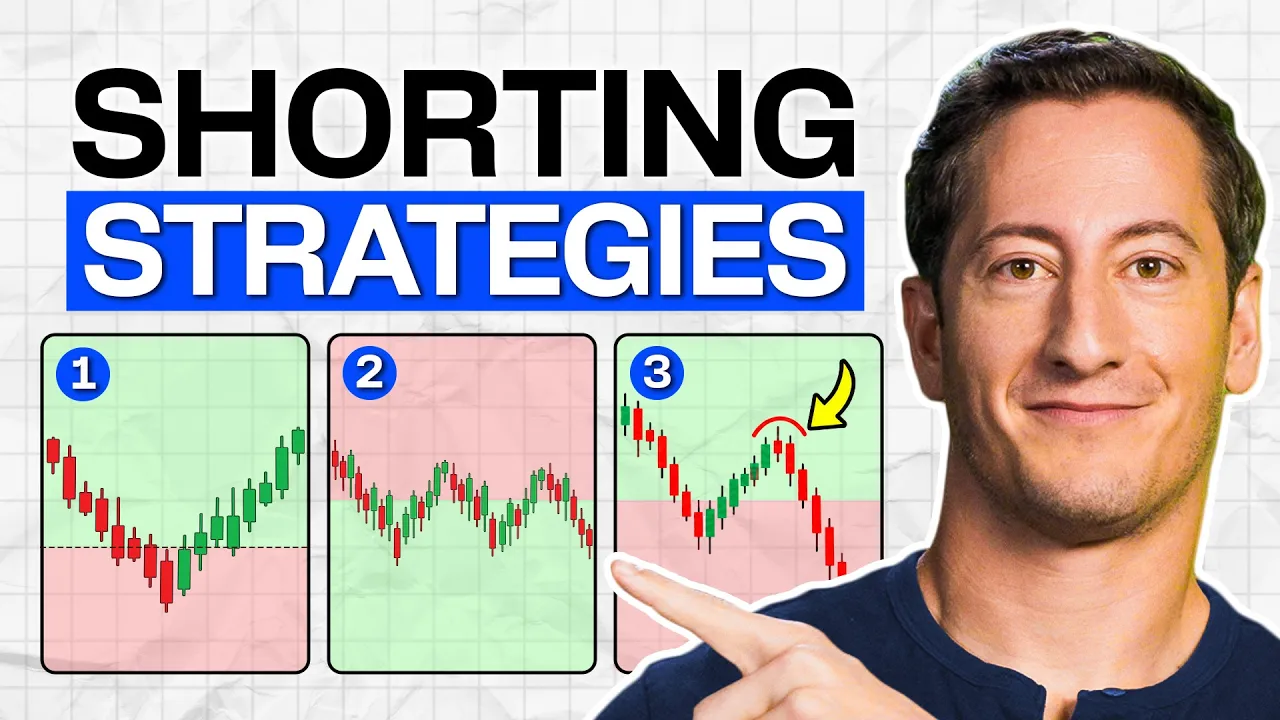
Quick Answer
Mostly flex. SMB Capital's "7 Traps That Make Good Traders Lose Money" is a real prop-desk diagnosis of common trading mistakes, filmed after the firm's own drawdown, and the fixes are specific enough to use tomorrow. What it does not show is a verified P&L statement, so the eye-popping numbers inside are claims, not receipts. The hook that earns the click: a trader who has been profitable for years can lose money for six straight weeks without ever picking a "bad" stock. He just kept running a strategy the tape stopped paying for.
What Does SMB Capital Actually Claim?
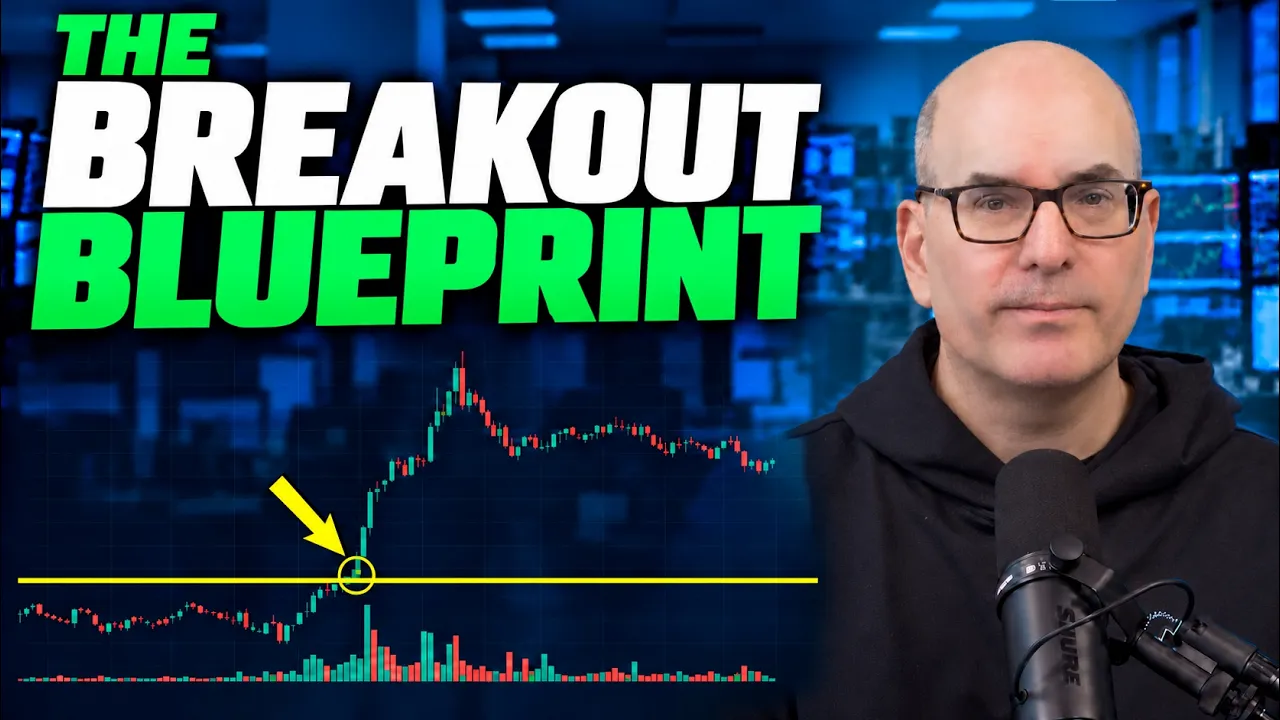
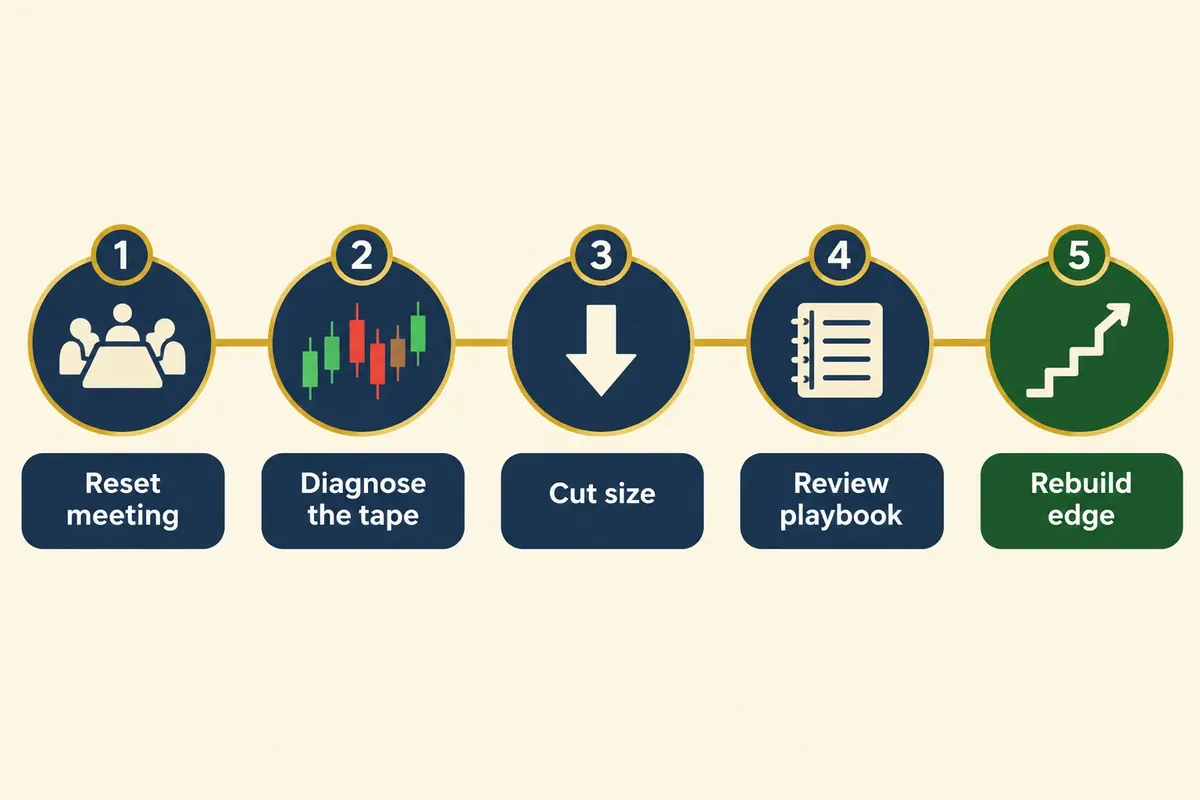
Mike Bellafiore, co-founder of SMB Capital, posted the 19-minute video on November 10, 2026. It pulled 49,090 views and 974 likes in its first week. The setup is unusual for trading content: instead of a victory lap, it's a post-mortem. Bellafiore walks through a desk reset meeting the firm held after a stretch of losses, and the seven recurring errors his partners named in that room.
The credential claim is the firm itself. SMB runs prop desks in New York City and Miami and says it has developed traders earning seven and eight figures a year since 2005. Prop trading means the firm puts up its own capital and the trader takes a cut of profits. If you've wondered how that arrangement actually pays out, we broke it down in how prop firms make money.
The receipts shown on screen are verbal, not documentary. Bellafiore names a ticker, CCXI, where traders on the desk were up big and failed to take profits (7:19). He references a trader called Graham pulling intraday scalps in the $50,000 to $75,000 a day range while the rest of the desk waited for setups (11:00). A Miami trader called Nano gives the sharpest line in the video: if a setup is missing one nuance, "grade it down three notches" (8:25).
No broker statements. No audited curve. That's standard for YouTube trading content, and it's also the reason you should treat the numbers as context rather than proof. You can watch the original video here and judge the tone yourself.
The structure is clean. Chapter markers land style drift at 5:08, regime change at 5:59, grand-slam thinking at 7:25, selectivity at 8:07, shorter-term opportunities at 9:39, sizing at 12:22, and options at 13:28.
What Are the 7 Common Trading Mistakes Good Traders Make?
Here's what separates this list from the usual beginner content. None of these are "you didn't use a stop loss." These are the common trading mistakes that only show up after you've built an edge, which is exactly why they're expensive. You can't fall off a ladder you never climbed.
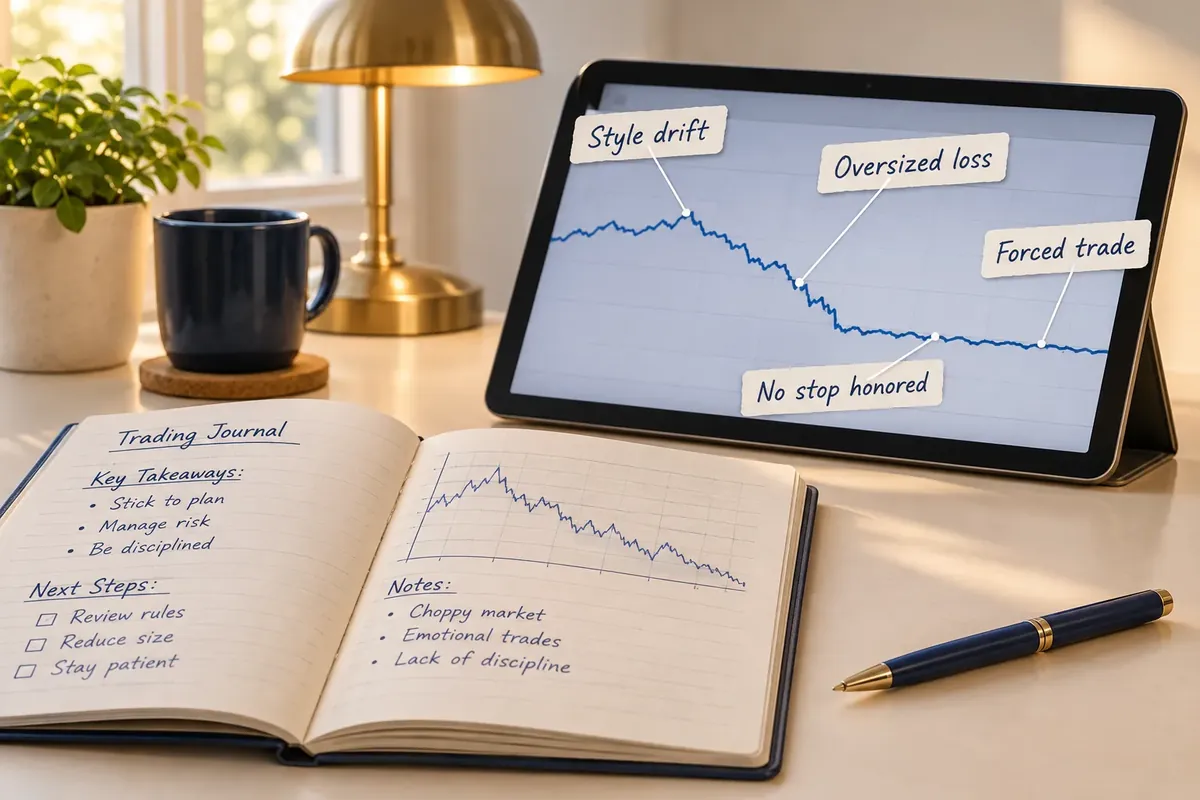
1. Style drift: abandoning the setups that actually pay you
SMB defines style drift as leaving your proven setups and taking trades outside your core game plan. Bellafiore cites one of the firm's strongest teams, a group whose bread and butter is short-term momentum, suddenly buying things that had nothing to do with momentum (5:12).
The market truth: experimentation isn't the sin. Experimenting with live size, during a drawdown, on a method you've never tested, is the sin. The trader isn't exploring. He's bargaining.
Watch for it in your own journal. If your last 20 trades include four setup types and your written plan lists two, you've drifted. The fix is boring and it works: paper trade it first. Give the new idea 30 observations with no money on it before it ever gets a dollar of real risk.
2. Missing a regime change
A regime is just the market's current personality. Trending, choppy, thin, headline-driven. Your strategy was built for one of those. It was not built for all four.
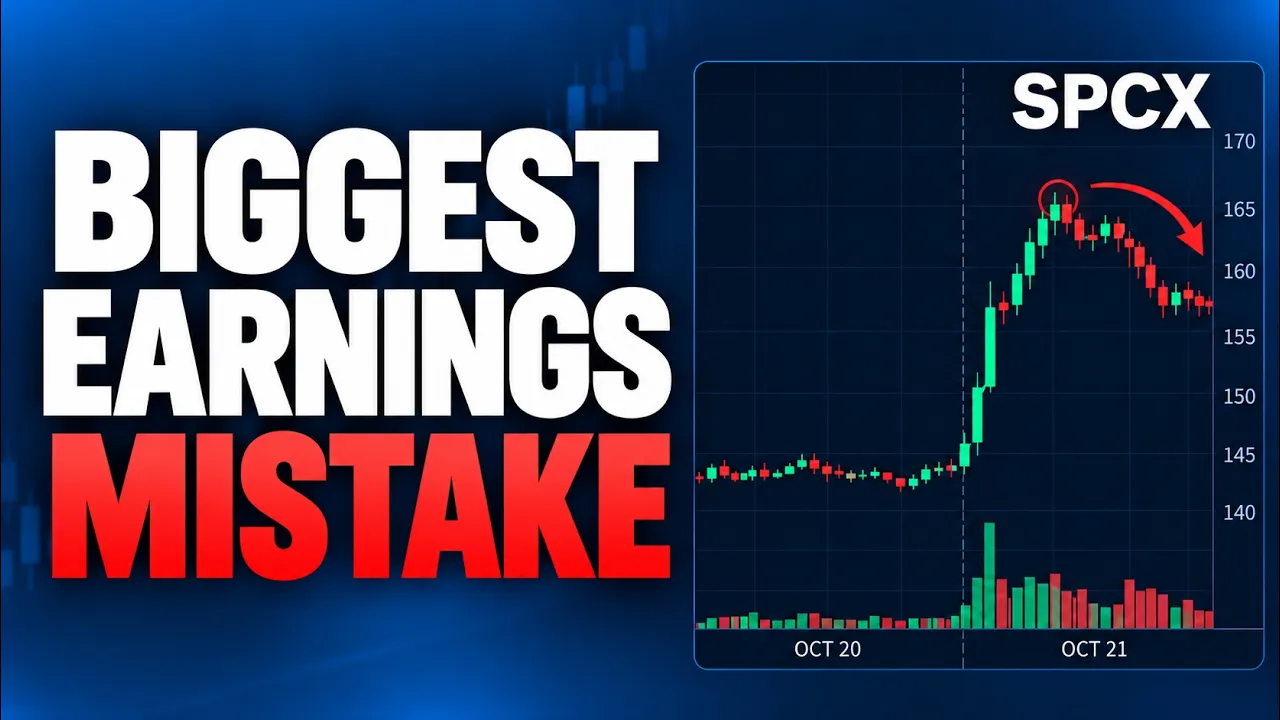
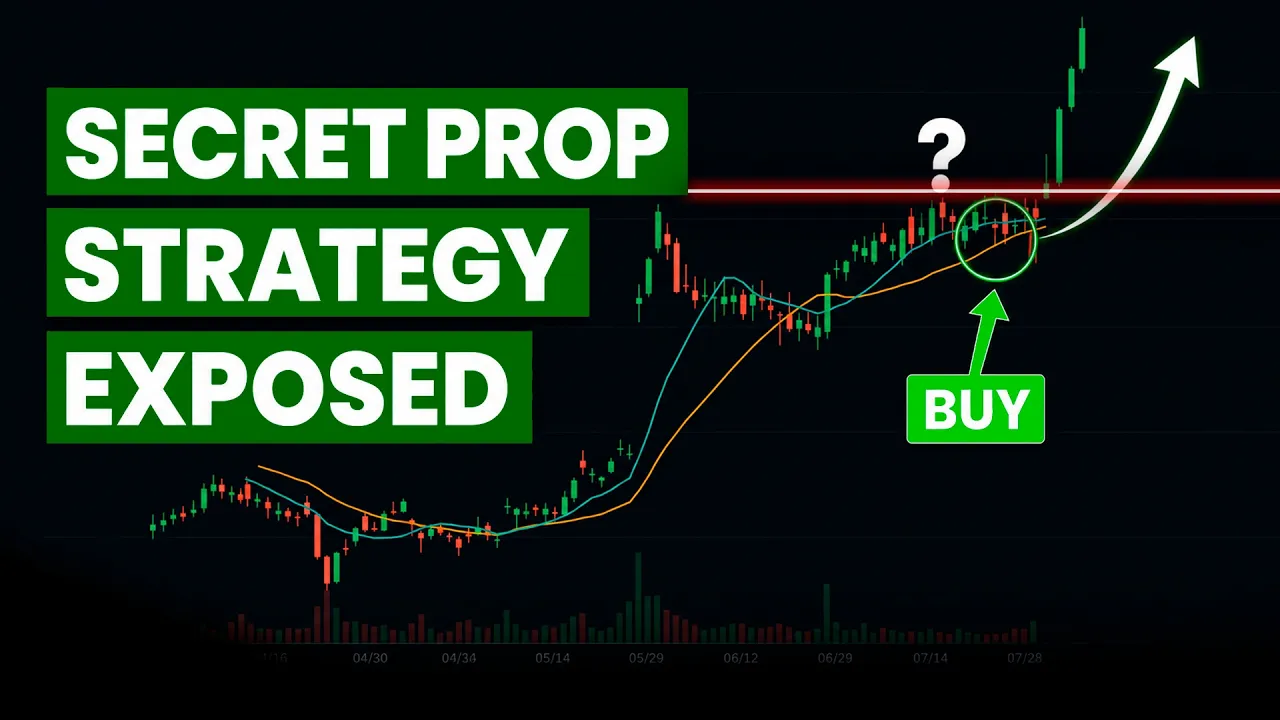
Bellafiore's point is that traders treat last quarter's results as proof that this quarter's structure is unchanged. It isn't. A breakout strategy in a choppy tape isn't a broken strategy, it's a strategy being run in the wrong weather. Every breakout becomes a bull trap, meaning price pops above resistance, sucks in buyers, then fails right back through.
The excuse this generates is the one Bellafiore opens the video attacking: "it's just not my market." That sounds humble. It's actually a way to avoid doing any work. He compares it to a $40 million quarterback with a documented weakness against a specific defensive scheme who does nothing in the off-season to fix it, then walks into that exact defense on Super Bowl Sunday (1:34).
Naming the regime is a decision, not a weather report. Write down, in one sentence, what kind of tape you're in before the open. Then decide whether your edge gets paid in that tape.
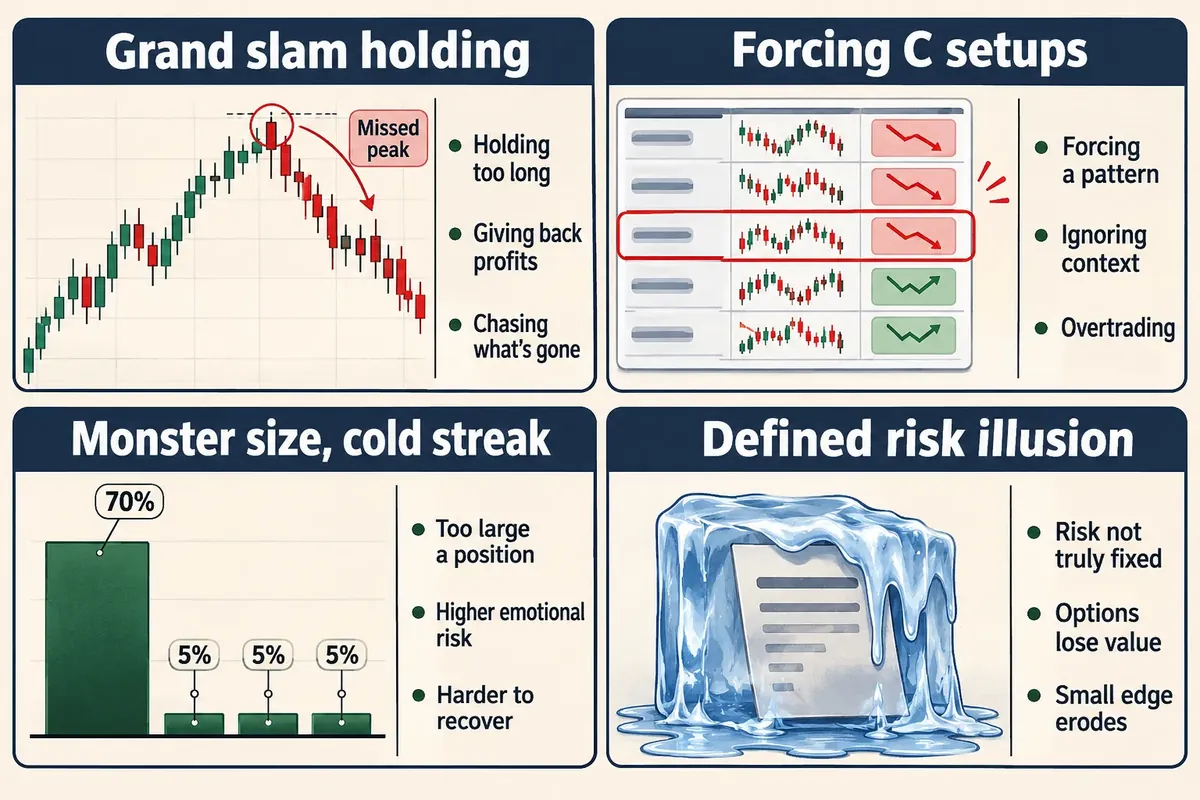
3. Holding out for grand slams
This one is pure behavioral asymmetry. The trade is working. You're well in the money. And you refuse to ring the register because the win isn't big enough yet.
Bellafiore's partner raised CCXI as the example: traders sitting on strong open positions who never took anything off (7:19). The gain evaporated.
Notice the asymmetry. Losses get accepted as normal variance. Profits get judged against an imaginary jackpot. You'd never say "this loss is too small to take." Why is a gain too small to book?
The fix is mechanical. Scale out. Take a piece at your first target, move the stop to break-even, let the rest run. You still let winners run, but you stop donating the first chunk back to the market every single time.
4. Insufficient selectivity in a hostile tape
When conditions degrade, most traders keep their trade count constant. That's the error. Volume of trades should be conditional on quality of opportunity, not on how many hours the market is open.
Nano's rule from the Miami desk is the cleanest heuristic in the video: in a tough tape, if a setup is missing even one nuance, don't downgrade it one notch, downgrade it three (8:25). An A-minus becomes a C-plus. A C-plus doesn't get traded.
The behavior SMB is targeting is forcing B-minus and C-minus trades, then pressing harder after they fail to confirm. That's overtrading wearing a work ethic costume. Play stupid games.
Practical version: cap your trade count for the week at half your normal number, and only take setups you'd be willing to show the desk. If that leaves you with two trades, you had two trades.
5. Ignoring shorter-term opportunities
The flip side of selectivity, and the part most traders skip. "There's nothing to do" is almost never literally true.
While the rest of the desk waited, Graham was reportedly slicing out $50,000 to $75,000 a day in intraday scalps (11:00). Tape scalps, turn trades, low-float names, breaking news. Smaller duration, smaller size, but the P&L kept moving and so did his reaction speed.
Bellafiore frames this as a challenge rather than a tactic: expand your game plan (12:02). The logic is that sitting flat for six weeks doesn't preserve your edge, it rusts it. Reading the tape is a skill that decays when you don't use it.
A warning the video doesn't emphasize enough: adding scalping to a swing game plan is adding a new skill, not switching gears. Done carelessly it's just style drift with better branding. Learn it small. If your alerts are arriving late, you're not scalping, you're chasing. Our trader reaction time test gives you an honest read on that.
6. Sizing poorly and backwards
Strategy performance is cyclical. Most traders size as if it isn't.
Bellafiore describes the pattern: a trader hasn't seen his favorite setup in weeks, so the moment something vaguely resembles it, he deploys monster A-plus size out of desperation (13:06). Maximum risk at the exact moment the edge is weakest and the pattern recognition is loosest.
Correct sequencing runs the other way. When a setup is printing, scale risk up. When it goes cold, cut size by 50% or more, immediately, without waiting for permission from a winning day.
Size is the only variable you fully control. Entry, exit, and outcome all involve the market. Position sizing doesn't. If you want the mechanics of getting this right, read the position sizing mistake that wipes out most new traders.
7. Overusing options as a comfort blanket
The seventh trap is the newest and, by the numbers, the most relevant. Capped downside gives the illusion of safety, so traders risk far more capital than they would in stock because the maximum loss is defined (14:08).
Two problems follow. First, in a choppy tape with no follow-through, time decay paper-cuts you to death on every trade. Second, as a firm partner noted, traders who honor a stop loss ruthlessly on stock suddenly freeze on an option, because "it can't go below zero" quietly turns into "I'll just hold it."
This isn't theoretical. FINRA reported average daily listed-options transactions reached 8.4 million in 2025, up from 5.6 million in 2023, with roughly 30% involving same-day-expiring contracts. That's 0DTE, where a thesis that's right by Thursday is worthless if you bought Monday's expiry.
Regulation noticed. The SEC approved FINRA's replacement of the old pattern-day-trader framework in April 2026, swapping the familiar $25,000 minimum-equity gate for intraday margin standards and broker-level risk controls, with same-day-expiring options named as a specific concern. FINRA explicitly rejected simply scrapping day-trading margin rules with nothing in their place. The gate moved; the risk didn't go anywhere. If you're trading a smaller account under the new rules, how to day trade without $25K covers what changed.
The fixes, in order of urgency
Bellafiore's closing prescription is short (15:08 onward). Stop forcing aggressive momentum into a choppy market when the tape isn't confirming. Cycle your size methodically, up when a strategy prints, down 50% or more the moment it drawdowns. Audit your options exposure and stop letting capped risk hide bad trade structure. Slice out daily cash flow from shorter-duration trades while waiting for your real opportunity.
Then the line that makes the whole video worth 19 minutes, from the close (18:47): get back to the core mechanics that built your edge.
Run yourself through the checklist below before your next session.
⭐ Top 5 Features We Love
- It's a post-mortem from people who took the hit. SMB filmed this after its own drawdown, so the traps come from real desk losses, not theory.
- Each trap comes with a fix. The video doesn't stop at naming problems. It ranks the fixes by urgency, which tells you where to start.
- Style drift gets named first. Abandoning the setups that pay you is the quietest way profitable traders start losing, and it's rarely discussed.
- Regime change is treated as a skill. Spotting when the market has changed character is framed as something to practice, not luck.
- It calls out options as a comfort blanket. Using options to avoid taking a clean stop is a habit few educators admit to seeing on their own desk.
⚠️ Things to Look Out For
The numbers have no paperwork. Graham's $50,000 to $75,000 daily scalping figure is a claim made on a prop desk about a prop trader, with no statement attached. Treat it as flavor, not a benchmark. If you walk away thinking five-figure scalp days are a normal retail outcome, the video has done you harm it didn't intend.
Firm capital is not your capital. A trader at SMB is risking the firm's money under a risk manager who can flatten him. You're risking rent money with nobody watching. Advice tuned for the first situation can be reckless in the second, especially the "expand your game plan" chapter.
Survivorship runs through the whole piece. The video names the traders who adapted. It doesn't name the ones who didn't make it through the drawdown and left. Roughly 70% of day traders lose money, and that number includes people who followed good advice badly.
The scalping advice carries real costs. Commissions, spreads, data fees, and short-term capital gains taxed as ordinary income. A strategy that works gross can lose net. Run the math on your actual fee schedule before you add 30 trades a week.
Who this isn't for. Passive index investors. Anyone who hasn't yet defined a setup in writing, because you can't drift from a style you never had. And anyone still in their first six months, where the useful lesson is "survive," not "expand the game plan."
How Do You Spot Common Trading Mistakes in Your Own Journal?
Tag every trade, then count the tags. SMB's seven traps are easy to recognize in a video and hard to see in your own account. A journal makes common trading mistakes show up as numbers instead of feelings.
Add one tag to each trade from this list:
- A-setup: one of your proven setups, normal size
- Drift: a setup you don't normally trade
- Grand slam hold: you held past your target hoping for more
- Forced: taken in a choppy tape with no clear edge
- Size error: bigger on a weak setup or smaller on a strong one
- Options comfort: used options to avoid taking a clean stop
After 30 trades, total the P&L by tag. Most traders find their A-setups pay and almost everything else loses. That's the most useful result a journal can give you, because it tells you exactly which of the common trading mistakes to cut first.
Do this monthly. Markets change, and the trap you fixed in spring can come back in fall.
Flex or Cap? Our Verdict
Receipts shown: Thin. Named tickers, named traders, named dollar figures, zero documents. Timestamps are verifiable; the P&L isn't.

What can be verified: The firm's existence and 2005 founding, the video's publication and view count, and the 2026 regulatory shift that makes trap six and trap seven more urgent than they were two years ago. The individual trader numbers can't be checked.
Risk disclosed: Partially. Bellafiore is candid that the desk was in drawdown, which is more honesty than most trading channels offer. He doesn't quantify how deep, how long, or how many traders washed out.
Can a regular retail trader repeat it? The diagnosis, yes. Style drift, backwards sizing, grand-slam holding and options-as-comfort are universal common trading mistakes, and the fixes cost nothing to implement. The results, no. You don't have a Miami desk, a risk manager, or firm capital.
Verdict: Flex. The framework is genuinely good and the self-criticism is real. Knock a point off for the unverified dollar figures, which are the one part of this video that will get retail traders in trouble.
What You Should Know Before You Try It
Paper trade anything new for 30 sessions. That includes the scalping expansion. Adding a second timeframe during a drawdown is how style drift gets reclassified as growth.
Cut size first, diagnose second. Halving risk the day your drawdown starts buys you the one thing you actually need: time to figure out what changed. Nobody ever went broke trading small.
Price out the real cost. Short-term trades are taxed as ordinary income in the US, and frequency multiplies spread and commission drag. Model it on 50 trades before you commit.
Know the new rules. The $25,000 PDT floor is gone as of 2026, replaced by intraday margin standards and broker-level controls. Check your specific broker's implementation, because they vary. Verify at finra.org and investor.gov, not on social media.
Write your regime call down daily. One sentence, before the open. Over a month you'll have a log that tells you whether you adapt or just hope.
Let a tool do the scanning, not the deciding. If your watchlist is built by hand at 9:15, you're already behind. A stock screener built for swing trading frees up the attention you need for execution.
Keep reading on FullStack Alpha: our AI stock tool reviews, how traders automate rules like these, day trading tools compared side by side, and more Flex or Cap breakdowns.
Frequently Asked Questions
Why do the majority of traders fail?
Roughly 70% of day traders lose money, and the usual cause isn't stock selection. It's size, frequency, and failing to notice the market changed. Most blow-ups trace back to risking too much when the edge was weakest.
What is the 7 rule in trading?
There's no single "7 rule." The closest common usage is the 7% to 8% stop-loss rule popularized by William O'Neil, which says cut a loser once it falls that far below your entry, no exceptions, no averaging down.
What are the 7 biggest mistakes investors are making right now?
Based on SMB's framework: drifting from proven setups, missing a regime change, refusing to book profits, forcing low-quality trades, sitting idle instead of adapting, sizing up when cold, and using options as a comfort blanket. Six of the seven are behavioral.
Are we expecting a market crash in 2026?
No forecast here, and anyone giving you one is selling something. Prediction isn't a strategy. Build rules that survive a drawdown instead of trying to time one.
What was Warren Buffett's dumbest investment?
Buffett has repeatedly called Berkshire Hathaway itself his worst purchase. He bought into a failing textile business out of spite over a nickel-level price dispute, and has estimated the capital trapped there cost shareholders enormously over decades. Even the best make emotional trades.
How much do traders at SMB Capital make?
SMB says it has developed traders earning seven and eight figures annually since 2005. Those are firm claims, not audited figures, and they describe top performers at a professional prop desk, not typical retail outcomes.
What are the most common trading mistakes?
Trading outside your proven setups, holding winners too long for a home run, sizing backwards and forcing trades in a bad market. SMB's list adds missing a regime change and overusing options. Tracking common trading mistakes in a journal shows which ones cost you the most.
Can profitable traders still make common trading mistakes?
Yes. That's the point of this video, filmed after SMB's own drawdown. Experienced traders fall into common trading mistakes like style drift when the market changes, which is why regular review matters at every level.
How do you fix common trading mistakes fast?
Fix one at a time, starting with the most expensive one in your journal. SMB lists its fixes in order of urgency for that reason. Trying to fix all the common trading mistakes at once usually means fixing none of them.
Conclusion
The expensive mistakes aren't the ones beginners make. They're the ones that only become possible once you have an edge worth drifting away from. Every trap on this list is a good habit running in the wrong conditions.
Do one thing tonight: pull up your last 20 trades and mark which of the seven traps each loss belongs to. If one trap owns more than half of them, that's your entire project for the next month. Discipline beats prediction.
One desk, seven traps, examined in depth. There are 200+ AI stock tools catalogued in the FullStack Alpha directory, filterable by category, price and what they actually do.
Browse the directory → aistockpickerapps.com
Your market edge starts with the right tool. Stay alpha.