Quick Answer
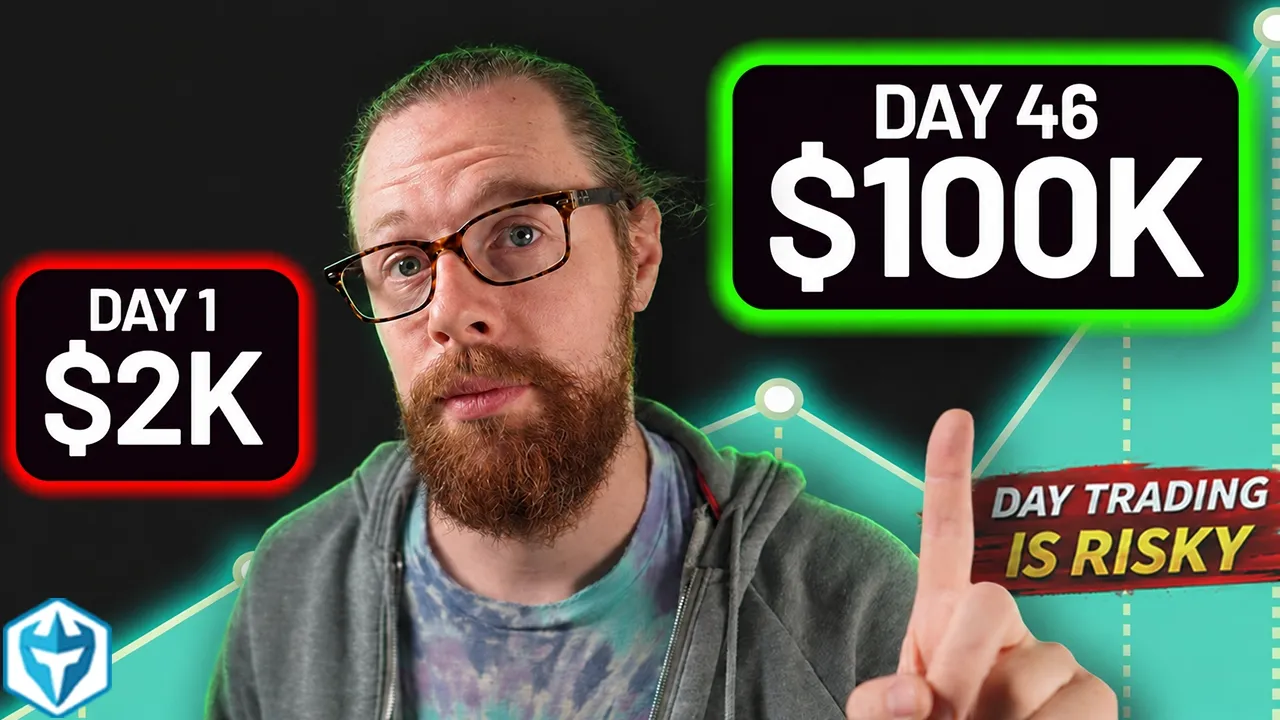
Mostly Flex, with caveats. Ross Cameron's October 29, 2026 video "Don't Make It Worse!" is a real-time look at how revenge trading starts, and the core lesson holds up: a $1,500 red day that stays $1,500 is a win compared to the $15,000 version you create by getting stubborn. The receipts are partial (screen recordings and verbal P&L, not an audited statement), and his teaching company settled a $3 million FTC case over earnings claims in 2022, so treat the number as illustration, not proof. The psychology is the part worth stealing.
The hook: Cameron spends twelve minutes losing money on camera and calls it a successful day. That's either the most honest thing on trading YouTube, or a very well-packaged product demo. Possibly both.
What Happened, According to Ross Cameron - Warrior Trading
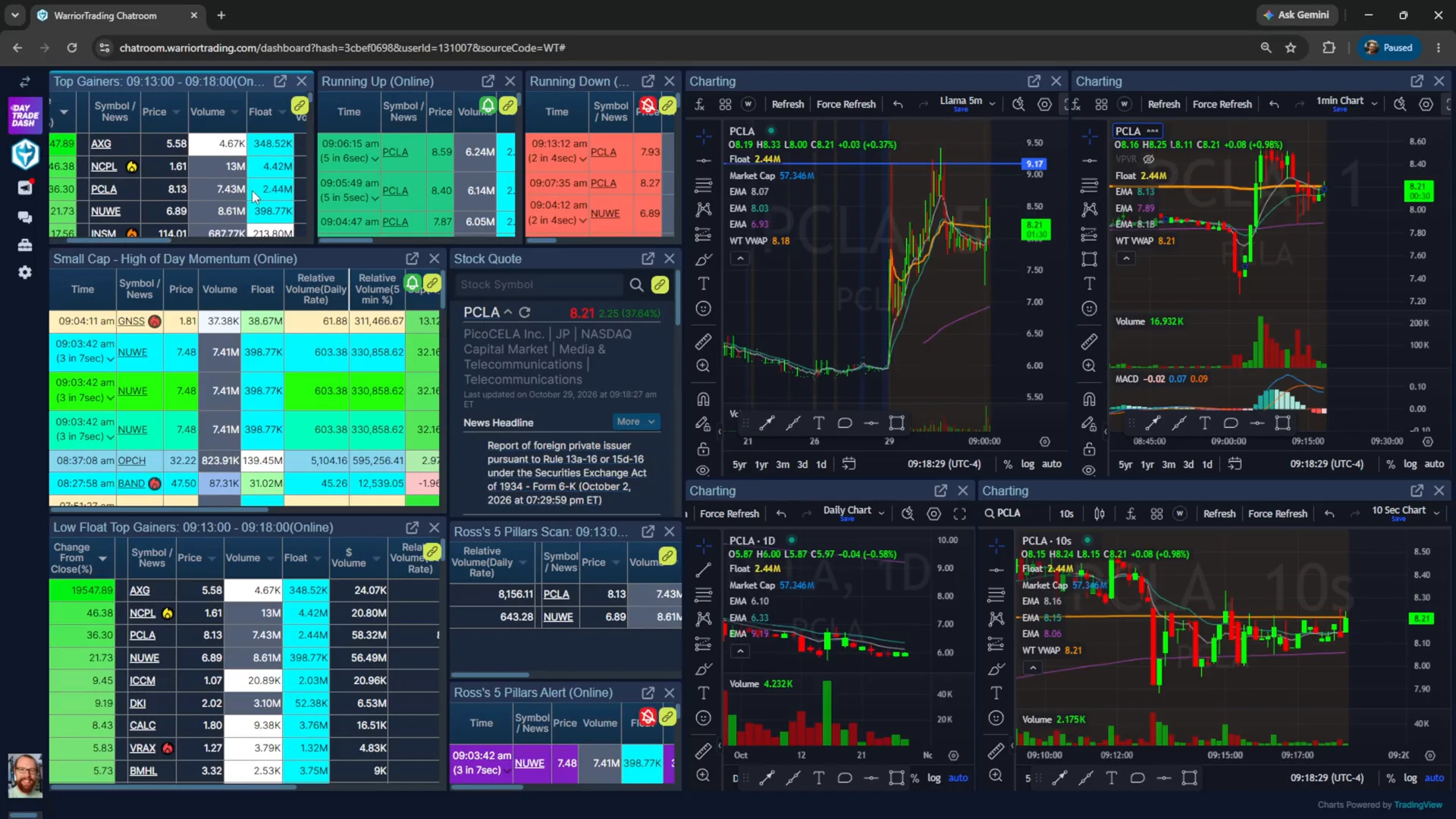
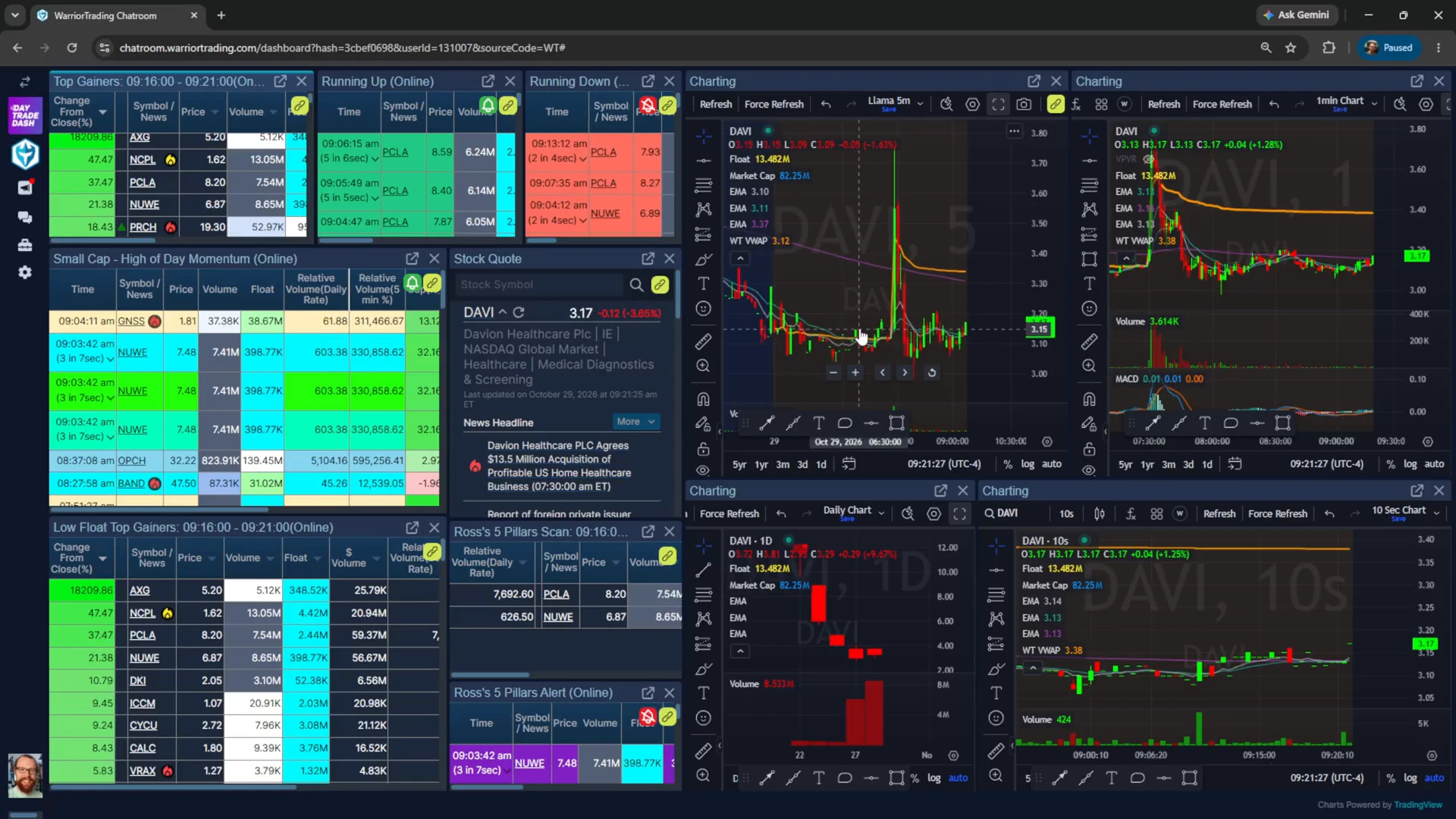
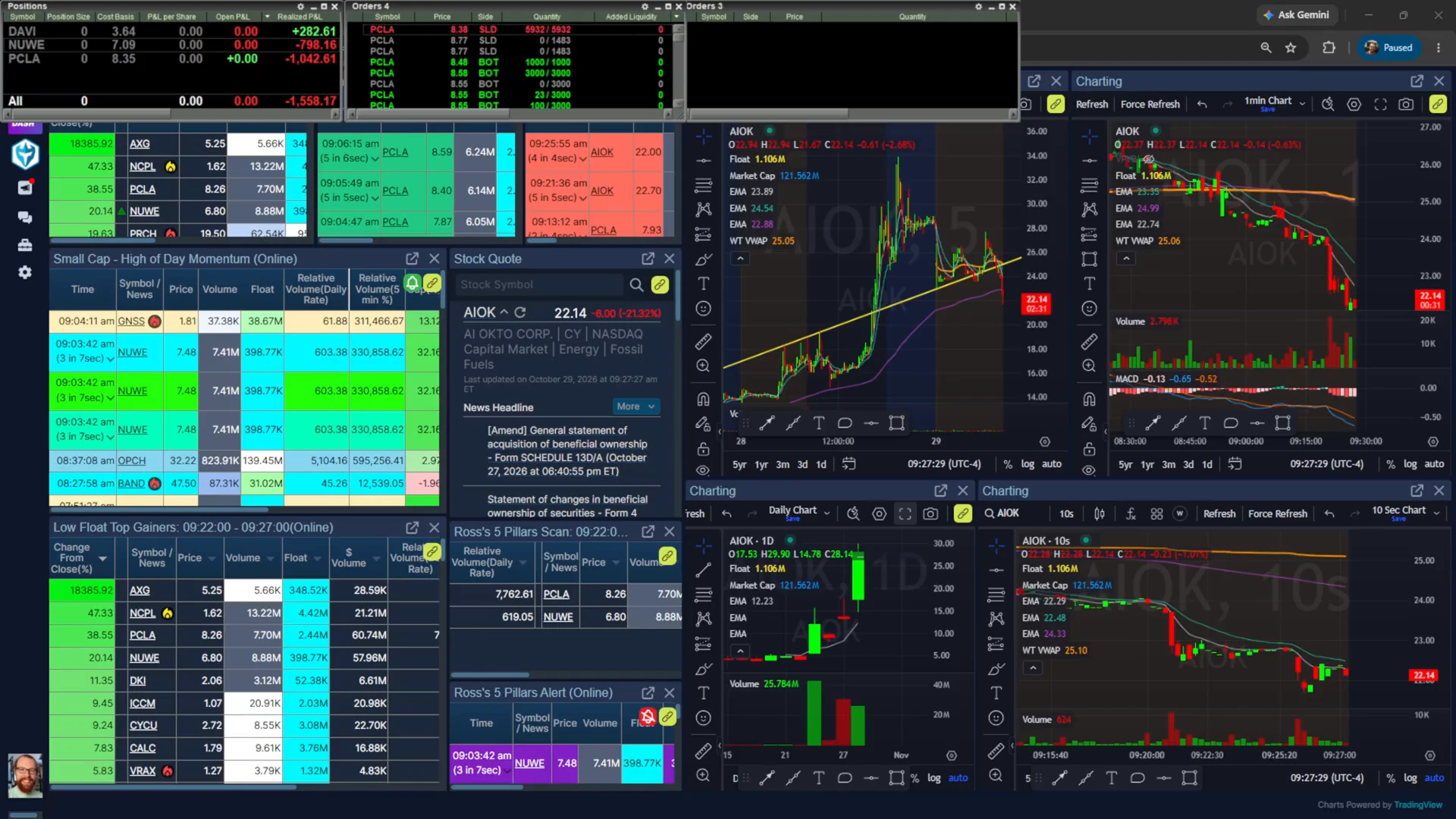
The short version: Cameron walked through a cold premarket session, took trades in NCPL, NUWE and DAVI, peaked around +$500, ended down roughly $1,500, and framed that as a controlled red day rather than a disaster. No hero trade. No comeback attempt. That restraint is the entire point of the video.
The receipts he shows on screen:
| What he claims | Timestamp | What's actually visible |
|---|---|---|
| NCPL leading gainer, 13M shares, "thickly traded" | 0:00-1:15 | Live scanner and chart, volume shown |
| NUWE peak around +$500, low around -$1,500 | 3:46 | Spoken P&L, chart on screen |
| DAVI setup that looked right and failed | 4:49 | Chart comparison, no fill shown |
| Delisting appeal news pops a stock | 5:52 | Chart reaction, news referenced verbally |
| Gave back a profit, went red $700 on a re-entry | 7:30 | Spoken, chart visible |
| "$1,500 red day is success" | 8:32 | Verbal claim, no broker statement |
He also says the quiet part out loud about mirror trading. The video description warns viewers not to copy his trades, and the closing line pushes a simulator: "practice before trading with real money" (12:11).
Watch the original here: Don't Make It Worse!, Ross Cameron, Warrior Trading. It ran 12 minutes 26 seconds and had roughly 38,600 views by mid-November 2026. Views measure attention, not results.
What Does Revenge Trading Look Like in Real Time?
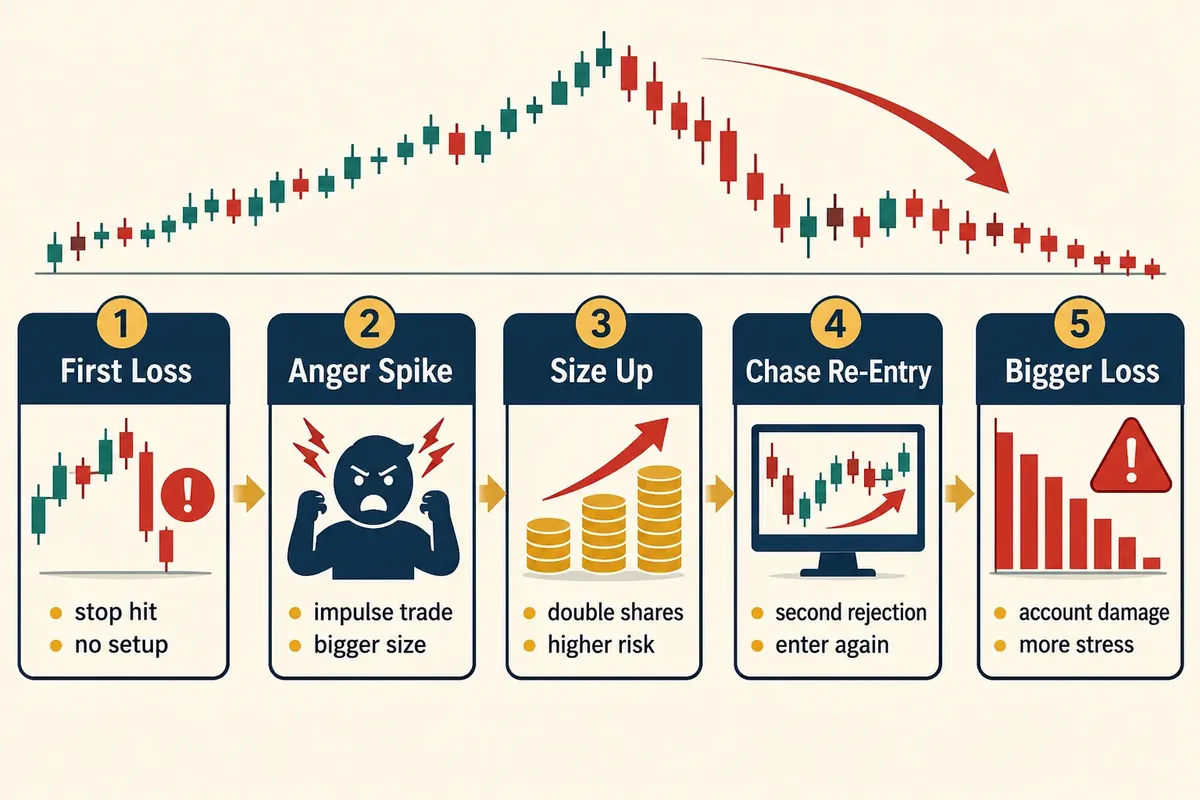
Revenge trading is what happens when you stop trading the chart and start trading the scoreboard. You take a loss, you get angry, and the next trade exists only to erase the last one. Cameron doesn't do it in this video. He describes exactly how he would, which is more useful.
NCPL: a tricky leading gainer
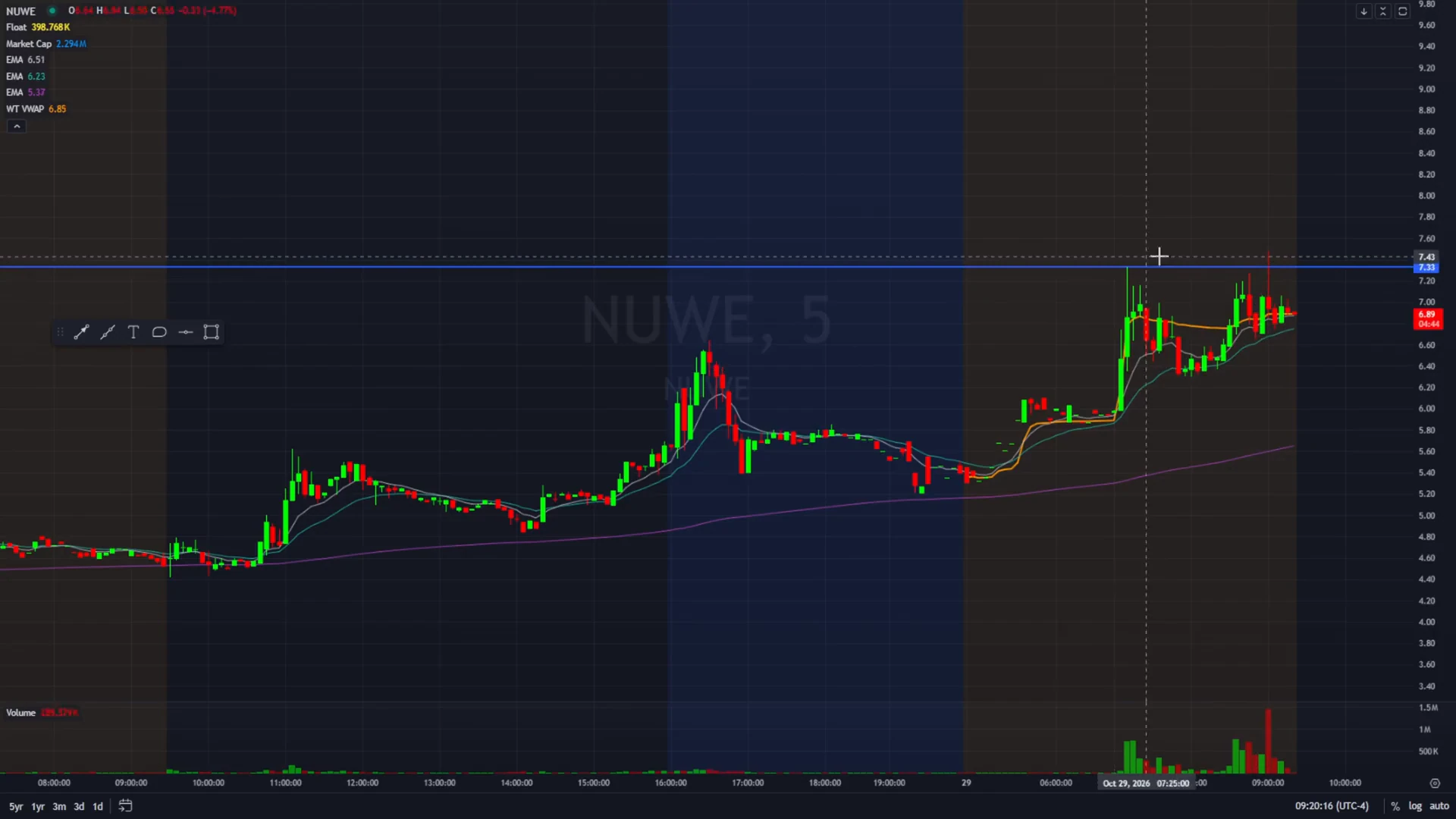
He opens on NCPL, the day's top gainer, 13 million shares traded. He calls it "thickly traded," meaning buyers are stacked heavy on the bid and the stock grinds instead of running. Thick tape is slow tape. Slow tape is where impatient traders force entries.
He also skips AXG entirely. Up big on a 200-to-1 reverse split with about 5,000 shares of volume. No liquidity, no trade. The first discipline check of the day is the stocks you don't touch.
Moves that started days earlier
At 2:39 he makes a point most beginners miss: the NCPL move "began really in earnest a couple days ago." By the time it hit the premarket scanner at 7:15, the easy part was done. Buying a move on day three is buying from the people who bought on day one. That's not a setup, it's exit liquidity.
Decision rule: if the stock is already extended off a multi-day base, you need a tighter stop and a smaller size, not more conviction.
NUWE: up about $500 at the peak, then red
NUWE is where the day turned. Peak around +$500, worst point around -$1,500. He shrugs: "It's just not happening, uh which is fine" (3:46). That shrug is the skill. Most traders hit -$1,500 and immediately look for a trade big enough to erase it, which is how a bad morning becomes a bad quarter.
Delisting news risk
At 5:52 he explains a risk retail rarely prices in. A stock trading on a delisting appeal can get a ruling at any moment. Bad ruling, the stock moves to the OTC market at a fraction of the price. On this day the NASDAQ decision came back favorable and the stock popped. Headline risk isn't a chart pattern, and no stop loss protects you from a gap. If you don't know the catalyst, you're not trading, you're betting.
Getting back in and going red $700
Here's the cleanest example in the video. He took a first profit, re-entered higher, and gave it all back plus $700 (7:30). His own diagnosis: the stock rejected a second time at the same level and came back to where it started. Giving back profits on a re-entry is the gateway drug to revenge trading, because now you're not just down money, you're down money you already had.
Step back instead of getting stubborn
"It's better just to step back and let that be rather than get stubborn." (8:32)
Stubborn is the word to watch. Stubborn means adding to a loser, widening a stop, or averaging down into an earnings miss. Play stupid games.
Chasing the $5,000 day
At 9:34 he talks about needing to hit a $5,000 daily goal consistently before sizing up. Daily goals are a double-edged tool. They keep you consistent when you're green and they manufacture revenge trading when you're red, because a goal turns "no good setups today" into "I'm behind." Cameron's version works only because he pairs it with a hard max loss. Without the loss cap, a daily profit goal is just a quota that punishes patience.
How fast big losses stack up
At 10:39 and 11:41 he describes the spiral in plain language: in hot markets a bad position can cost 30 or 50 grand quickly, and after a cold stretch traders "try to be a hero," size up huge to recover weeks of flat P&L, and catch a falling knife.
The academic evidence backs the behavior. Joshua Coval and Tyler Shumway studied Chicago Board of Trade professionals and found traders who lost in the morning took significantly more risk in the afternoon than traders who were up. These were pros with firm oversight. Your edge over them is not emotional control, it's that you can choose to stop.
⚠️ Things to Look Out For
The lesson is sound. The packaging deserves scrutiny. Here's what the video doesn't put on screen.
The numbers are spoken, not audited. Peak +$500, low -$1,500, a -$700 re-entry. No broker statement, no trade log export, no fill times. Screen-recorded P&L is better than a screenshot of a Lambo, and it's still self-reported.
The regulatory history matters. The FTC sued Warrior Trading in April 2022, alleging misleading earnings claims while the large majority of customers lost money. The company paid $3 million in consumer redress. The FTC distributed more than $2.9 million to 20,402 people in January 2023, then a second round of 17,121 payments totaling over $410,000 in November 2024. That's a civil settlement, not proof that any individual trade was fake. It is a reason to separate the education from the marketing.
Daily goals are survivorship-flavored. Talking about a $5,000 daily goal and a $20,000 hot-market goal is normal for a funded, experienced trader. For a $5,000 account, hearing those numbers is how unrealistic expectations get installed, and unrealistic expectations are the fuel supply for revenge trading.
The instruments are hostile. Low-float small caps, delisting appeals, reverse splits, thick tape. These names move fast and fill badly. Slippage on a 5,000-share stop in an illiquid name is a real cost nobody shows you.
The 2026 rule change raises the stakes. The SEC approved FINRA's new intraday margin framework effective June 4, 2026, replacing the old pattern day trader structure (firms can transition through October 20, 2027). The $25,000 floor and trade-count designation give way to risk-based requirements. Access went up. Behavioral risk did not go down. If anything, the speed at which an angry trader can enlarge a position after a loss just improved.
Who this is not for: anyone funding an account with money they need, anyone who can't name their max daily loss out loud, and anyone who thinks the video is a stock-picking service. It isn't.
How Do You Stop Revenge Trading Before It Starts?
You catch it in the first five seconds. Revenge trading rarely feels like revenge. It feels like a "great setup" that showed up right after a loss, which is exactly why it's so expensive.
Cameron's NUWE sequence is the textbook version: up about $500, then red, then back in, then down $700. Nothing about the stock changed between those trades. Only his emotions did.
Warning signs to watch for
- You want to take a trade within two minutes of closing a loser.
- Your next position is bigger than your normal size.
- You're thinking about the dollar amount you need to "get back."
- You're trading a stock you would have skipped an hour ago.
Rules that break the loop
- The cooldown rule: after any loss, wait ten minutes before the next entry. Set a timer.
- The size lock: size can only go up after a winning day, never during a losing one.
- The two-strike rule: two losses on the same stock and that ticker is done for the day.
- The walk: stand up and leave the desk. Physical distance breaks the urge faster than reasoning.
Why does revenge trading hit even experienced traders? Because losses register as a threat, and the brain wants to fix a threat immediately. The fix isn't more willpower. It's rules that make the next trade slower than the urge.
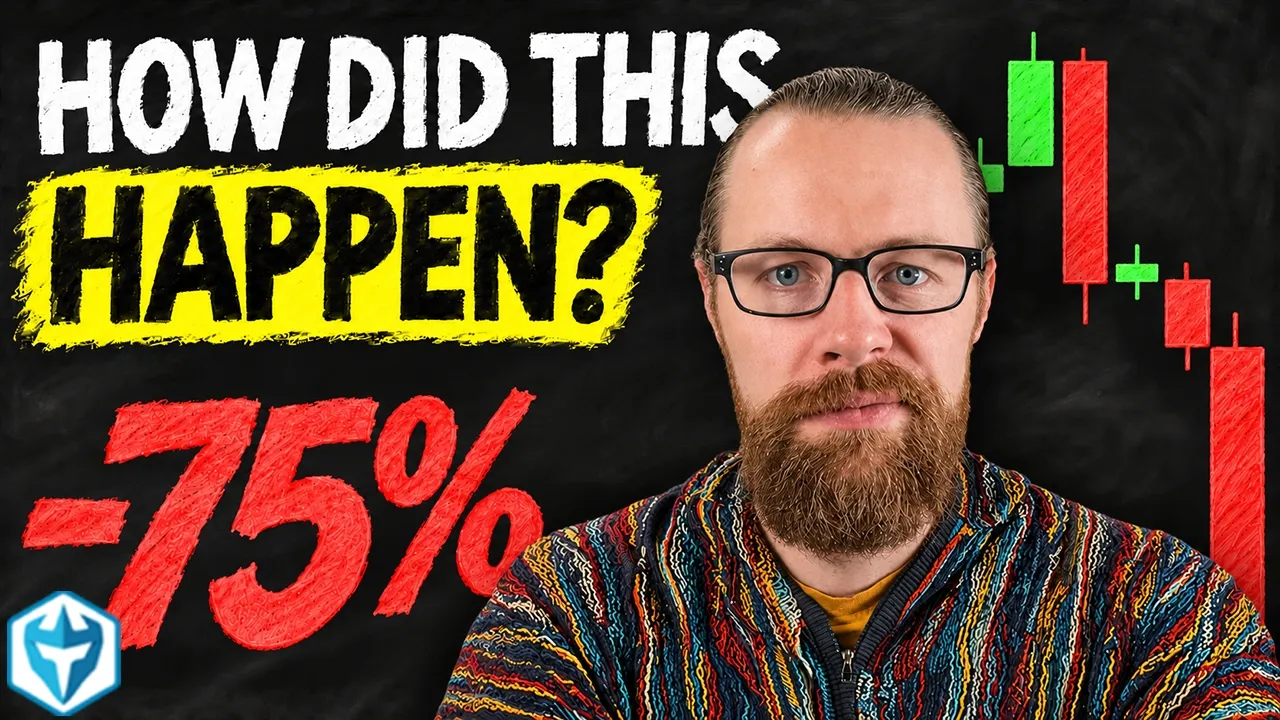
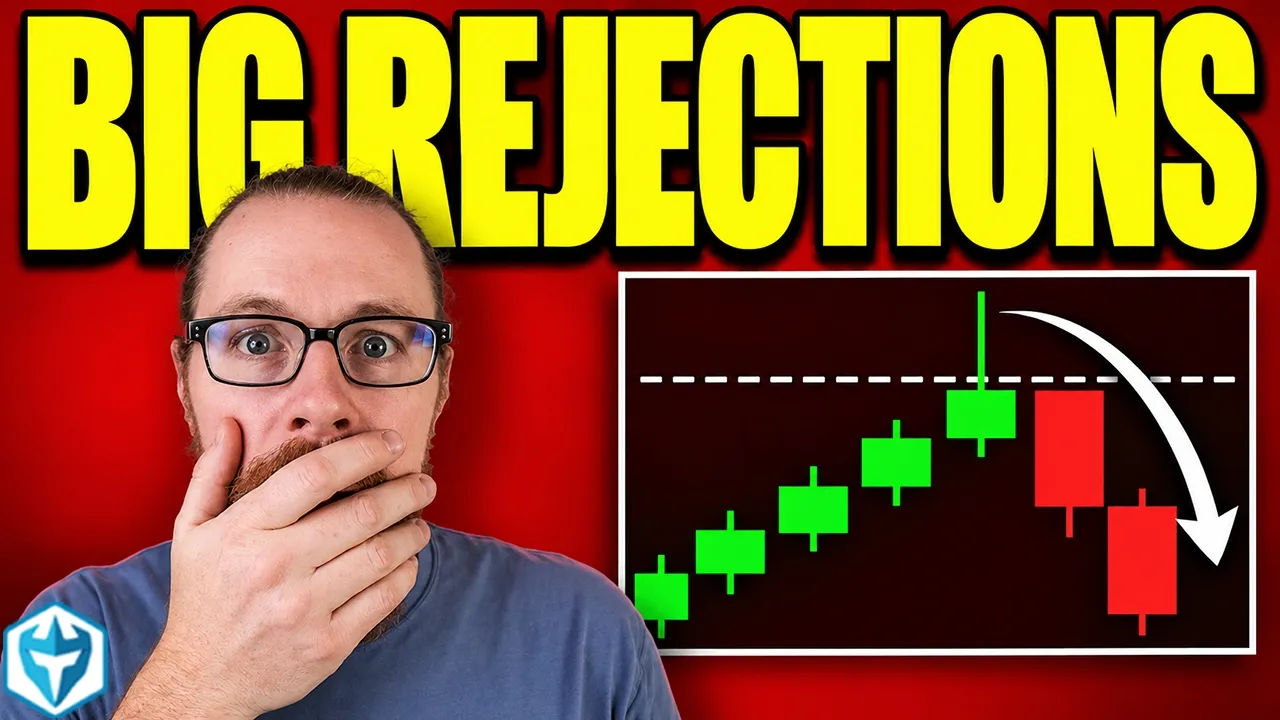
A $1,500 red day that stays $1,500 is the win in this video. Revenge trading is how that same morning turns into $15,000.
Flex or Cap? Our Verdict
Verdict: Flex, with an asterisk. Four questions, scored honestly.
1. Were receipts shown? Partly. Live charts, a live scanner, real tickers (NCPL, NUWE, DAVI), and verbal P&L with timestamps. No statement, no trade log. Call it 6 out of 10.
2. What can actually be verified? The price action can. The charts, the volume, the double top, the delisting-appeal pop are all checkable against public data for October 29, 2026. The dollar figures are not independently verifiable. 5 out of 10.
3. Was risk disclosed? Yes, and better than most. The video is literally about losing money. The description tells viewers not to mirror trade. The close pushes simulator practice. Warrior Trading's own risk material names revenge trading as a defined failure mode and recommends limiting trades and stepping away after a red trade. 8 out of 10.
4. Can a regular retail trader repeat it? The behavior, yes. Anyone can cap a loss and walk. The P&L, no. Replicating a $1,500 controlled red day assumes the capital, speed, and routing to be in that game at all. 4 out of 10.
The flex isn't the money. It's publishing a losing session and refusing to dress it up as a comeback story.
Where it slides toward cap: the content sits upstream of a paid education funnel with a settled FTC case about earnings claims behind it. Take the risk-management lesson. Leave the daily-goal numbers at the door. Discipline beats prediction, and in this video discipline is the only thing actually proven.
What You Should Know Before You Try It
Five things to lock down before you trade a single small-cap on a red morning.
1. Paper trade it first, with a real log. Simulators are free and your tuition isn't. Run 30 sessions, record every trade, and specifically tag the ones you took out of frustration. A journaling tool helps here; see the Astor vs Edgewonk trading journal comparison if you want something more structured than a spreadsheet.
2. Size the position before you fall in love with the chart. Risk a fixed percentage per trade, usually 1% or less for new traders, and let the stop distance determine your share count. The reverse order is how accounts die. We broke the math down in the position sizing mistake that wipes out 90% of new traders.
3. Count the real costs. Commissions, data fees, borrow fees on hard-to-short names, and slippage. On thin small caps, slippage is often the biggest line item and nobody puts it in a highlight reel.
4. Know the 2026 margin rules that apply to you. The intraday margin framework changed effective June 4, 2026, and brokers may phase it in through October 20, 2027. Check what your specific broker requires right now, not what a 2023 blog post said. Verify at finra.org and investor.gov, not in a Discord.
5. Taxes are not an afterthought. Active trading generates short-term capital gains taxed as ordinary income, plus wash-sale headaches when you re-enter a name you just lost on. Revenge trading and wash sales are close cousins.
6. Verify tools before you subscribe. Scanners and AI signal products are everywhere and most are thin. Start with a free scanner like Finviz, compare charting options in our TradingView vs TrendSpider breakdown, and check whether the automated stuff is worth it at all in do AI trading bots actually make money. Any term in this article you don't know is in the stock market terms glossary.
Keep reading on FullStack Alpha: our AI stock tool reviews, how traders automate rules like these, day trading tools compared side by side, and more Flex or Cap breakdowns.
Frequently Asked Questions
What is a reversal strategy in trading?
A reversal strategy tries to buy a stock when a downtrend stops and curls back up, or short one when an uptrend rolls over. It needs a clear failed level, a confirming volume shift, and a tight stop just beyond the reversal point. It's one of the highest-failure-rate approaches for beginners because most apparent reversals are just a pause before the trend continues.
How did one trader make $2.4 million in 28 minutes?
Headlines like that usually describe a single outlier options or futures position, often leveraged, often undisclosed in full. Treat any time-stamped windfall claim as unverified unless there's an audited statement behind it. A 28-minute profit tells you nothing about the risk taken or the losses that preceded it.
Is it true that 90% of traders lose money?
Commonly cited loss rates for active day traders range from roughly 70% to over 90% depending on the study, market, and holding period. The exact figure varies, but every serious dataset points the same direction: most short-term traders lose. The FTC's 2022 complaint against Warrior Trading alleged the vast majority of its customers lost money trading.
Can I make $100 a day daytrading?
Possible, but not reliable, and the math is harsher than it looks. Making $100 a day on a $5,000 account means a 2% daily return, which compounds to figures nobody sustains. A daily dollar target also encourages forcing trades on slow days, which is one of the most common triggers for revenge trading.
How much can a day trader make with $10,000?
There is no honest number. Returns depend on strategy, risk per trade, market conditions, costs, and skill, and a large share of traders with $10,000 lose part or all of it. A more useful question is how much you can lose before you stop, because that figure you actually control.
Is it true that 97% of day traders lose money?
The 97% figure usually traces back to a Brazilian futures study with a specific population and timeframe, so it doesn't transfer cleanly to US equity traders. The defensible statement is narrower: across multiple studies, most day traders lose money over time and a small minority are consistently profitable.
Is Warrior Trading genuine?
It's a real, operating trading education company with a long public track record of live content, and it settled an FTC action in April 2022 for $3 million over allegedly misleading earnings claims, with refunds distributed to customers in 2023 and 2024. Both facts are true at once. Judge individual videos on whether the reasoning holds up, and ignore any income claim you can't verify.
What is revenge trading?
Revenge trading is jumping back into the market right after a loss to win the money back, usually with bigger size and weaker setups. It's an emotional reaction, not a plan, and it's one of the most common ways a small loss becomes a large one.
How do you recover after revenge trading?
Stop for the rest of the day, then review the trades the next morning. Look for the moment the plan changed. Many traders cut size in half for a few days after a revenge trading episode to rebuild discipline before returning to normal risk.
Is revenge trading the same as overtrading?
They overlap but aren't identical. Overtrading is taking too many trades for any reason, including boredom. Revenge trading is a specific kind of overtrading driven by the urge to win back a loss right away, which is why it usually comes with bigger size and worse setups.
Where This Leaves You
Cameron's video works because he does the unglamorous thing on camera: he loses, he stops, he explains why he stopped. A controlled $1,500 red day is a process outcome. A $15,000 red day is a behavior outcome, and behavior is the only variable you fully control.
Do these three things before your next session:
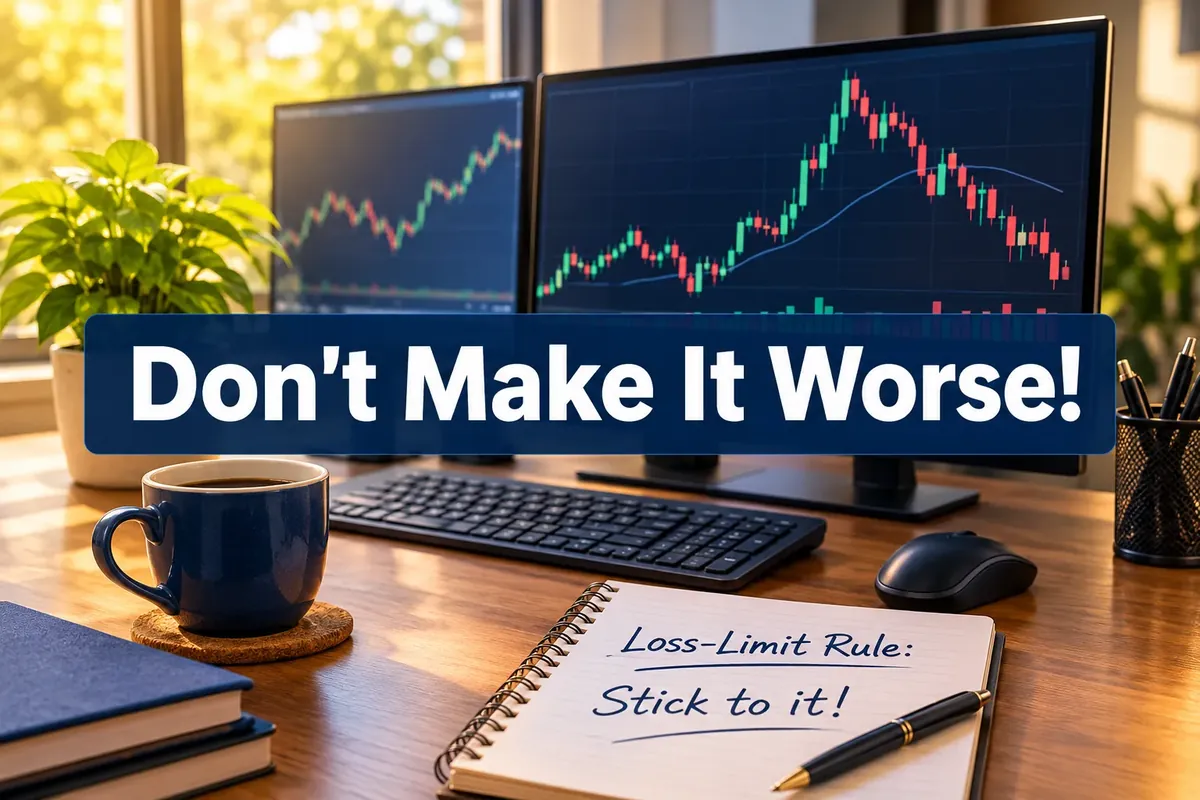
- Write your circuit breaker down. Two consecutive losses, 50% giveback of peak profit, hard daily max loss. Use the rule card above. Put it on paper next to the monitor, not in your head.
- Tag every trade in your journal as planned or reactive. After 20 sessions, add up the P&L of the reactive column. That number will end the argument.
- Pick a cold-market default. Decide now what you do when there are no clean setups: paper trade, study, or walk. "Find something" is not an option.
Your market edge starts with the right tool. Stay alpha.
One video, scored four ways. There are 200+ AI stock tools catalogued in the FullStack Alpha directory, filterable by category, price and what they actually do.
Browse the directory → aistockpickerapps.com